Introduction
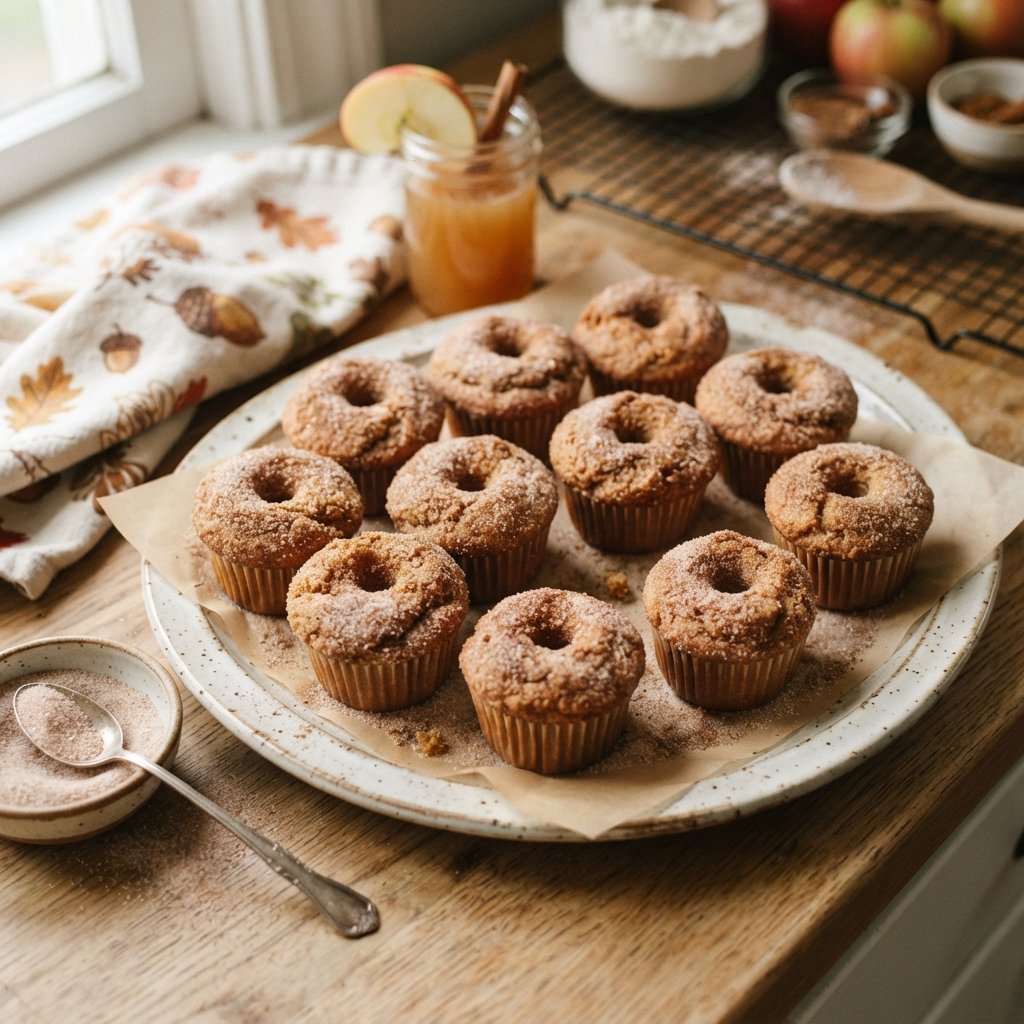
There is perhaps no scent more evocative of the autumn season than the warm, spiced aroma of apples simmering into cider, mingled with the comforting smell of baked goods fresh from the oven. Baked Apple Cider Donut Muffins represent the perfect hybrid of two beloved fall treats: the dense, cake-like texture of a traditional orchard donut and the convenient, handheld form of a muffin. These muffins capture the essence of a crisp October morning, offering a moist interior infused with reduced apple cider and a exterior coated in cinnamon sugar that mimics the classic donut experience without the need for deep frying.
Unlike their fried counterparts, baked muffins offer a lighter texture while maintaining the rich flavor profile that cider donuts are famous for. The process of reducing the apple cider concentrates the sweetness and tartness of the apples, ensuring that every bite delivers a potent punch of fruit flavor that artificial extracts simply cannot replicate. Whether you are packing a lunch for a school day, hosting a brunch gathering, or simply seeking a cozy snack to accompany your morning coffee, these muffins provide a versatile and satisfying option that appeals to all ages.
The beauty of this recipe lies in its balance. It is sweet enough to feel like a dessert but substantial enough to serve as a breakfast item. The spice blend—typically consisting of cinnamon, nutmeg, and allspice—warming the palate, while the reduction of the cider ensures the muffin remains moist days after baking. As you embark on making these baked delights, you are not just following a recipe; you are participating in a seasonal ritual that celebrates the harvest and the transition into the cooler months of the year.
The History
The origins of the donut can be traced back to the Dutch settlers in early New York, who brought with them the tradition of olykoeks, or “oily cakes.” These were sweet dough balls fried in pork fat until golden brown. Over time, as ingredients became more available and cooking techniques evolved, the donut transformed into the ring-shaped treat we recognize today. However, the specific innovation of the apple cider donut is deeply rooted in the agricultural history of the Northeastern United States, particularly in New England and Upstate New York.
Apple cider donuts emerged as a staple at apple orchards and farm stands during the harvest season. Orchards needed a way to utilize fresh pressed cider that might otherwise spoil, and combining it with dough created a unique product that drew visitors to the farms. The acidity in the cider reacted with baking soda to create a tender crumb, while the sugar in the cider helped caramelize the exterior during frying. This symbiotic relationship between the orchard and the bakery became a cultural hallmark of autumn tourism in America.
The evolution from fried donut to baked muffin is a more recent phenomenon, driven by modern health consciousness and the desire for convenience. As home bakers sought to replicate the orchard experience without the mess and danger of hot oil, the muffin tin became the vessel of choice. This adaptation allows the flavor profile of the cider donut to be preserved while altering the texture to be slightly more cake-like and less greasy. Today, baked apple cider donut muffins stand as a testament to culinary adaptation, honoring tradition while embracing contemporary baking methods.
Ingredients Breakdown
Apple Cider: The star of the show, fresh apple cider is non-negotiable for authentic flavor. It is important to distinguish between cider and apple juice; cider is unfiltered and often contains sediment, providing a deeper, more robust apple taste. For this recipe, the cider is reduced on the stovetop to concentrate the sugars and flavors, ensuring the muffin isn’t too wet but is intensely flavored.
All-Purpose Flour: This provides the structure for the muffins. The protein content in all-purpose flour is ideal for creating a tender crumb that holds its shape without becoming tough like bread. Some bakers prefer to substitute a small portion with cake flour for an even softer texture, but all-purpose yields the classic donut-like density.
Leavening Agents (Baking Powder and Baking Soda): These are crucial for the rise. Baking powder provides a steady lift during baking, while baking soda reacts with the acidity in the apple cider and brown sugar to create an immediate rise when mixed. This combination ensures the muffins are airy and not dense bricks.
Spices (Cinnamon, Nutmeg, Allspice): This trio creates the warm “pumpkin spice” adjacent profile that defines fall baking. Cinnamon provides the base warmth, nutmeg adds a nutty earthiness, and allspice contributes notes of clove and pepper. Freshly grated nutmeg is highly recommended for the most aromatic result.
Fat (Butter or Oil): Butter adds richness and flavor, contributing to the tender mouthfeel. However, some recipes use vegetable oil to ensure the muffins stay moist for longer, as oil remains liquid at room temperature while butter solidifies. A combination of both can offer the best of both worlds: flavor from the butter and moisture from the oil.
Sugars (Granulated and Brown): Granulated sugar sweetens the batter, while brown sugar adds moisture and a hint of molasses flavor that complements the apple cider. The brown sugar also aids in creating a darker, more appealing crust on the muffin.
Eggs: Eggs act as a binding agent, holding the ingredients together. They also provide structure and richness. Using room temperature eggs ensures they emulsify better with the fats, creating a smoother batter.
Cinnamon Sugar Coating: The final touch that mimics the donut experience. A mixture of granulated sugar and cinnamon is tossed with the warm muffins after baking. The residual heat helps the sugar adhere to the surface, creating a crystalline crust.
Step-by-Step Recipe
Phase 1: Reduction of the Cider: The process begins before you even preheat the oven. Pour your fresh apple cider into a saucepan and bring it to a simmer over medium heat. You will need to reduce approximately two cups of cider down to about half a cup of concentrated liquid. This process can take 20 to 30 minutes. Watch it carefully towards the end to prevent burning. The resulting liquid should be syrupy and deeply aromatic. Allow this reduction to cool completely before adding it to the batter, otherwise, it may cook the eggs prematurely.
Phase 2: Dry Ingredient Preparation: In a large mixing bowl, whisk together your flour, baking powder, baking soda, salt, and spices. Whisking is essential here not just to combine, but to aerate the flour and break up any clumps. This ensures that the leavening agents are evenly distributed throughout the batter, preventing uneven rising or pockets of baking soda.
Phase 3: Wet Ingredient Emulsification: In a separate bowl, cream together your butter and sugars until light and fluffy. This step incorporates air into the fat, which helps with the lift of the muffin. Add the eggs one at a time, beating well after each addition. Finally, stir in the cooled apple cider reduction and any vanilla extract or milk called for in the recipe. The mixture may look slightly curdled; this is normal due to the acidity of the cider.
Phase 4: Combining and Folding: Pour the wet ingredients into the dry ingredients. Using a spatula, gently fold the mixture together. It is critical to stop mixing as soon as the flour streaks disappear. Overmixing develops gluten, which will result in tough, chewy muffins rather than tender, cake-like ones. The batter should be thick and sticky.
Phase 5: Baking: Scoop the batter into a greased or lined muffin tin. Fill the cups nearly to the top, as these muffins do not rise as aggressively as standard blueberry muffins. Bake in a preheated oven until a toothpick inserted into the center comes out clean. The tops should be golden brown and spring back when lightly touched.
Phase 6: The Coating: While the muffins are still warm, brush them lightly with melted butter. This acts as a glue for the cinnamon sugar. Roll each muffin in the sugar mixture until coated. Allow them to cool on a wire rack to prevent the bottoms from becoming soggy.
Tips
- Room Temperature Ingredients: Ensure your eggs, milk, and even your butter are at room temperature before starting. Cold ingredients can shock the batter, leading to uneven mixing and a denser final product. Take them out of the refrigerator at least an hour before baking.
- Don’t Skip the Reduction: Using un-reduced apple cider will add too much liquid to the batter, resulting in a soggy muffin that sinks in the middle. The reduction process is vital for concentrating flavor without compromising structure.
- Measure Flour Correctly: Do not scoop the flour directly with the measuring cup, as this packs it down and leads to using too much flour. Instead, spoon the flour into the measuring cup and level it off with a knife for a lighter touch.
- Check Oven Temperature: Oven thermostats are often inaccurate. Use an oven thermometer to ensure your oven is actually at the temperature you set. If the oven is too cool, the muffins will spread too much; if too hot, they will burn on the outside before cooking inside.
- Coating While Warm: The cinnamon sugar coating must be applied while the muffins are still warm. If they cool completely, the butter will solidify, and the sugar will not stick properly, falling off when you bite into them.
- Storage for Moisture: To keep the muffins moist for several days, store them in an airtight container with a slice of bread. The muffins will absorb the moisture from the bread, keeping them soft longer than if stored alone.
Variations and Customizations
Gluten-Free Adaptation: To make these muffins gluten-free, substitute the all-purpose flour with a high-quality 1-to-1 gluten-free baking blend. Look for blends that contain xanthan gum, which helps mimic the elasticity of gluten. You may need to add an extra tablespoon of cider reduction as gluten-free flours often absorb more liquid.
Vegan Option: Replace the butter with melted coconut oil or a vegan butter stick. Substitute the eggs with “flax eggs” (one tablespoon of ground flaxseed mixed with three tablespoons of water per egg) or use a commercial egg replacer. Ensure the sugar used is certified vegan, as some white sugars are processed with bone char.
Streusel Topping: For an extra indulgent treat, skip the cinnamon sugar coating and instead top the batter with a crumb streusel before baking. Mix flour, brown sugar, cold butter, and cinnamon until crumbly and sprinkle over the muffin batter. This adds a crunchy texture contrast to the soft muffin.
Apple Chunk Addition: For bursts of fresh fruit texture, fold in small, finely diced pieces of fresh apple into the batter. Toss the apple pieces in a little flour before adding them to prevent them from sinking to the bottom of the muffin during baking. This adds moisture and a fresh fruit contrast to the concentrated cider flavor.
Glaze Finish: Instead of the cinnamon sugar roll, you can drizzle the cooled muffins with a simple apple cider glaze. Mix powdered sugar with a small amount of the reduced cider reduction until smooth. This creates a sweeter, smoother finish that looks elegant for party platters.
Health Considerations and Nutritional Value
While baked apple cider donut muffins are a treat, they are generally healthier than traditional fried donuts. By eliminating the deep-frying process, you significantly reduce the total fat content and remove the trans fats often associated with fried commercially prepared doughnuts. Baking allows the natural sugars in the apple cider to caramelize without the need for submersion in oil, making this a lighter option for autumn cravings.
However, it is important to remain mindful of the sugar content. Both the batter and the coating contain significant amounts of sugar. For those monitoring their intake, you can reduce the sugar in the batter by up to 25% without drastically affecting the texture, relying on the natural sweetness of the reduced cider. Additionally, using whole wheat pastry flour instead of all-purpose flour can increase the fiber content, aiding in digestion and providing a slower release of energy.
Nutritionally, apples provide vitamin C and potassium, though the reduction process and baking heat may degrade some of the heat-sensitive vitamins. The spices used, particularly cinnamon, have been linked to potential health benefits such as improved insulin sensitivity and anti-inflammatory properties. Enjoying these muffins in moderation as part of a balanced diet allows you to indulge in seasonal flavors without compromising your health goals excessively.
Ingredients
- 2 cups Fresh Apple Cider (unfiltered)
- 2 cups All-Purpose Flour
- 1 teaspoon Baking Powder
- 1/2 teaspoon Baking Soda
- 1/2 teaspoon Salt
- 1 teaspoon Ground Cinnamon (for batter)
- 1/4 teaspoon Ground Nutmeg
- 1/4 teaspoon Ground Allspice
- 1/2 cup Unsalted Butter, softened
- 3/4 cup Granulated Sugar
- 1/4 cup Brown Sugar, packed
- 2 Large Eggs, room temperature
- 1 teaspoon Vanilla Extract
- 1/4 cup Milk or Buttermilk
- Coating: 1/2 cup Granulated Sugar mixed with 1 tablespoon Cinnamon
- Adhesive: 2 tablespoons Unsalted Butter, melted
Directions
- Preheat your oven to 375°F (190°C). Grease a 12-cup muffin tin thoroughly with butter or non-stick spray, or line with paper liners.
- In a small saucepan, bring the 2 cups of apple cider to a boil over medium-high heat. Reduce heat to medium-low and simmer until the liquid reduces to approximately 1/2 cup. This should take about 20-30 minutes. Set aside to cool completely.
- In a medium bowl, whisk together the flour, baking powder, baking soda, salt, 1 teaspoon cinnamon, nutmeg, and allspice. Set aside.
- In a large bowl, cream together the softened butter, granulated sugar, and brown sugar until light and fluffy, about 3 minutes using an electric mixer.
- Beat in the eggs one at a time, ensuring each is fully incorporated before adding the next. Mix in the vanilla extract.
- Alternately add the dry ingredients and the milk to the butter mixture, beginning and ending with the dry ingredients. Mix until just combined. Fold in the cooled apple cider reduction.
- Divide the batter evenly among the 12 muffin cups, filling them about 3/4 full.
- Bake for 18 to 22 minutes, or until a toothpick inserted into the center of a muffin comes out clean and the tops are golden brown.
- While the muffins are baking, mix the coating sugar and 1 tablespoon of cinnamon in a shallow bowl. Melt the 2 tablespoons of butter for brushing.
- Remove muffins from the oven and let them cool in the pan for 5 minutes. Then, transfer to a wire rack.
- While still warm, brush each muffin with the melted butter and roll immediately in the cinnamon sugar mixture until coated.
- Allow to cool completely before serving or storing.
FAQ
Can I use apple juice instead of apple cider?
While you can use apple juice in a pinch, the flavor will not be as robust. Apple juice is filtered and pasteurized differently, lacking the tannins and depth of fresh cider. If you must use juice, you should still reduce it to concentrate the flavor, but expect a lighter taste profile.
Why did my muffins sink in the middle?
This is usually caused by underbaking or opening the oven door too early. The structure of the muffin sets towards the end of the baking time. If you introduce a rush of cold air by opening the door, the fragile structure may collapse. Ensure your baking powder is fresh and active as well.
How long do these muffins stay fresh?
Stored in an airtight container at room temperature, these muffins will stay fresh for about 2 to 3 days. After that, they may begin to dry out. You can extend their life by refrigerating them for up to 5 days, though the texture may become denser.
Can I freeze these muffins?
Yes, these muffins freeze very well. It is best to freeze them before applying the cinnamon sugar coating. Wrap them tightly in plastic wrap and place them in a freezer bag. They can be frozen for up to 3 months. Thaw at room temperature and apply the butter and sugar coating after reheating.
My batter is too thick, is that normal?
Yes, cider donut batter is typically thicker than standard muffin batter. This high viscosity helps create the dense, cake-like texture characteristic of donuts. Do not add extra liquid to thin it out, as this will affect the baking time and texture.
Can I make these in a mini muffin tin?
Absolutely. If using a mini muffin tin, reduce the baking time to approximately 10 to 12 minutes. Keep a close eye on them as they can burn quickly due to their smaller size. The coating ratio remains the same.
Summary
Baked Apple Cider Donut Muffins offer a festive, fried-free alternative that captures the essence of autumn with concentrated cider and warm spices.
Perfect for breakfast or brunch, these moist muffins are finished with a classic cinnamon-sugar coating for an authentic orchard experience.