Introduction
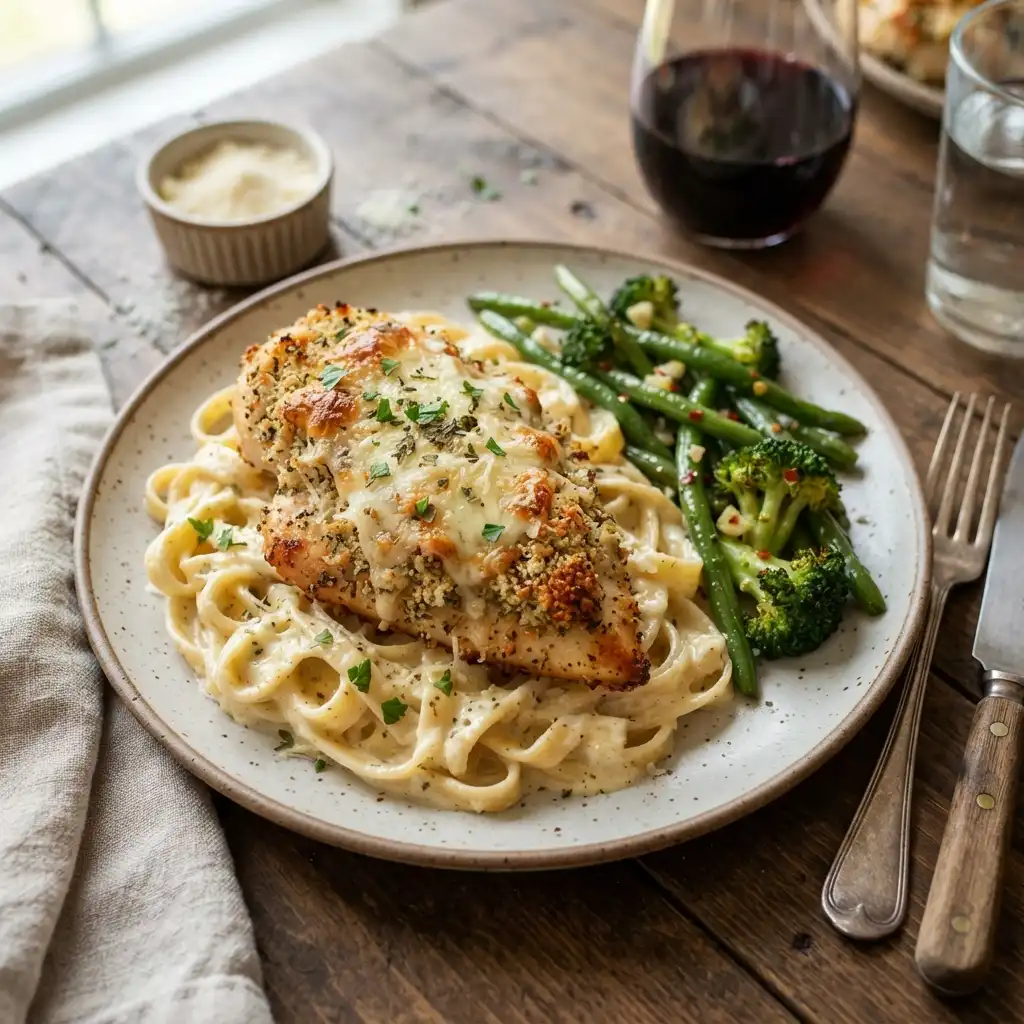
There are few dining experiences quite as satisfying as biting into a piece of perfectly breaded, golden-brown chicken that is smothered in a rich, garlicky Parmesan sauce and melted cheese. This is the essence of the Longhorn Steakhouse Parmesan Chicken, a dish that has transcended the walls of the restaurant to become a beloved staple in home kitchens across America. It represents the pinnacle of comfort food: a harmonious marriage of textures and flavors where the crunch of the breading meets the creaminess of the sauce and the savory depth of aged cheese.
Longhorn Steakhouse is renowned for its Western hospitality and commitment to quality, but their chicken dishes often steal the show from their famous steaks. The Parmesan Chicken is a testament to their culinary philosophy—taking simple, high-quality ingredients and elevating them through precise technique and bold seasoning. Whether you are a long-time fan of the restaurant chain or a home cook looking to recreate a restaurant-quality meal for your family, mastering this recipe is a culinary journey worth taking. In this comprehensive guide, we will explore every facet of this iconic dish, from its origins to the science behind the perfect breading.
The History
To understand the Parmesan Chicken, one must first understand the roots of Longhorn Steakhouse. Founded in 1981 in Atlanta, Georgia, Longhorn was born out of a desire to bring the spirit of the American West to the East Coast. The founders envisioned a place where guests could enjoy high-quality beef in a relaxed, unpretentious atmosphere. Over the decades, the menu evolved to include more than just steaks, incorporating seafood, ribs, and poultry to cater to a wider audience.
The introduction of the Parmesan Chicken was a strategic move during the height of the “Chicken Parmesan” craze that swept through American casual dining in the 1990s and 2000s. However, Longhorn put a unique spin on the classic Italian-American dish. Instead of the traditional marinara and mozzarella topping, they opted for a savory, garlic-infused Parmesan cream sauce. This differentiation set the dish apart from competitors like Olive Garden or Maggiano’s, creating a signature item that became a top seller. It bridged the gap between steakhouse heaviness and Italian comfort, creating a legacy dish that continues to drive traffic to the restaurant today.
Ingredients Breakdown
The magic of the Longhorn Parmesan Chicken lies not in complex, obscure ingredients, but in the quality and ratio of standard pantry staples. Understanding the role of each component is crucial for replication.
The Chicken
Longhorn typically uses boneless, skinless chicken breasts. The key here is uniformity. In a professional kitchen, breasts are often butterflied or pounded to an even thickness. This ensures that the chicken cooks evenly; without this step, the outside might burn before the inside reaches a safe temperature. Some variations of the recipe suggest using chicken tenders for a quicker cook time and a higher breading-to-meat ratio, which many children and adults prefer.
The Breading Station
The crust is the defining texture of this dish. Longhorn utilizes a blend of breadcrumbs and grated Parmesan cheese within the breading mixture itself. This is a critical detail often missed by home cooks. By mixing cheese directly into the breadcrumbs, you ensure that every bite has a savory, salty kick, not just the top layer. Many copycat recipes suggest using Panko breadcrumbs for extra crunch, though standard fine breadcrumbs provide a texture closer to the original restaurant version. The binding agent is usually a mixture of eggs and milk or buttermilk, which helps the dry ingredients adhere and promotes browning.
The Parmesan Sauce
This is the soul of the dish. It is not a marinara; it is a rich, white sauce. The base consists of butter, garlic, and heavy cream. The garlic must be fresh and minced finely to infuse the butter without burning. The heavy cream provides the luxurious mouthfeel that milk cannot achieve. Into this base goes a significant amount of Parmesan cheese. Using freshly grated Parmigiano-Reggiano is highly recommended over the pre-grated shaker cheese, as the anti-caking agents in the shaker version can prevent the sauce from melting smoothly.
The Topping
While the sauce provides the flavor, the topping provides the visual appeal and the “cheese pull.” A blend of Mozzarella and Parmesan is standard. Mozzarella is essential for its melting properties, creating those gooey strings, while the Parmesan adds a sharp, salty finish that cuts through the richness of the cream.
Step-by-Step Recipe
Recreating this dish at home requires attention to detail, particularly regarding the frying process and the sauce emulsion.
Step 1: Preparation of the Chicken
Begin by preparing your chicken breasts. Place them between two sheets of plastic wrap or inside a heavy-duty zip-top bag. Using a meat mallet, gently pound the chicken until it is of uniform thickness, roughly ½ to ¾ of an inch thick. This tenderizes the meat and ensures even cooking. Season the chicken generously on both sides with salt, black pepper, and a hint of paprika or cayenne for a subtle background heat.
Step 2: The Dredging Process
Set up a standard breading station with three shallow bowls. The first bowl should contain all-purpose flour seasoned with garlic powder and onion powder. The second bowl should contain beaten eggs mixed with a splash of water or milk. The third bowl is your breadcrumb mixture, combining the breadcrumbs with a generous amount of grated Parmesan cheese, dried parsley, and more salt and pepper. Dredge each chicken breast in the flour, shaking off the excess. Dip it into the egg wash, ensuring full coverage. Finally, press the chicken firmly into the breadcrumb mixture, ensuring a thick, even coat.
Step 3: Frying to Golden Perfection
Heat a large skillet over medium-high heat with a combination of oil and butter. The oil prevents the butter from burning, while the butter adds flavor. Once the fat is shimmering but not smoking, carefully place the breaded chicken into the pan. Do not overcrowd the pan; cook in batches if necessary. Fry for about 4-5 minutes per side until the crust is a deep golden brown and the internal temperature reaches 165°F (74°C). Transfer the cooked chicken to a wire rack to rest while you prepare the sauce.
Step 4: Crafting the Sauce
In a separate saucepan, melt butter over medium heat. Add minced fresh garlic and sauté for about 1 minute until fragrant, being careful not to let it brown. Pour in the heavy cream and bring to a gentle simmer. Reduce the heat to low and gradually whisk in the Parmesan cheese. Continue whisking until the cheese is fully melted and the sauce has thickened slightly. Season with salt, pepper, and a pinch of nutmeg if desired.
Step 5: Assembly and Broiling
Preheat your oven broiler. Place the fried chicken breasts on a baking sheet lined with foil or in a baking dish. Spoon a generous amount of the warm Parmesan sauce over each piece of chicken, ensuring it pools slightly around the edges. Top heavily with the Mozzarella and Parmesan cheese blend. Place the tray under the broiler for 2-4 minutes. Watch closely! You want the cheese to bubble and turn golden brown, but the high heat of the broiler can burn cheese in seconds.
Tips
- Don’t Skip the Rest: After frying the chicken, let it rest on a wire rack for 5 minutes before saucing. If you sauce it immediately, the steam trapped underneath can make the bottom of the breading soggy.
- Grate Your Own Cheese: Pre-shredded cheese contains cellulose to prevent clumping. This prevents the cheese from melting into a smooth sauce or a cohesive topping. Buy a block of Parmesan and grate it yourself for the best results.
- Control the Heat: When making the cream sauce, keep the heat low once the cream is added. High heat can cause the cream to separate or curdle, resulting in a grainy texture.
- The Wire Rack Trick: Always fry on a wire rack set over a baking sheet rather than paper towels. Paper towels trap steam and soften the crispy breading; a wire rack allows air to circulate, keeping the chicken crisp.
Variations and Customizations
While the classic recipe is a masterpiece, there are several ways to customize this dish to suit different dietary needs or flavor preferences.
The Spicy Kick
For those who enjoy heat, add red pepper flakes to the breadcrumb mixture and a dash of cayenne pepper to the cream sauce. You can also top the finished dish with sliced jalapeños before broiling.
Keto and Low-Carb
To make this dish keto-friendly, substitute the all-purpose flour and breadcrumbs with crushed pork rinds or almond flour. Ensure your Parmesan cheese does not contain added starches. Serve over zucchini noodles or steamed broccoli instead of pasta or rice.
Gluten-Free
Swap the wheat flour and breadcrumbs for a high-quality gluten-free all-purpose flour blend and gluten-free panko breadcrumbs. The texture will remain surprisingly similar to the original.
Add-Ins
Feel free to elevate the dish by sautéing sliced mushrooms or spinach and mixing them into the Parmesan sauce before pouring it over the chicken. Crispy bacon bits sprinkled on top before broiling add a smoky dimension that pairs beautifully with the cheese.
Health Considerations and Nutritional Value
It is important to acknowledge that Longhorn Steakhouse Parmesan Chicken is an indulgent dish. It is high in calories, saturated fats, and sodium, primarily due to the frying method, the heavy cream sauce, and the generous amount of cheese.
A typical restaurant serving can range from 1,200 to 1,500 calories, depending on the sides chosen. The protein content is high, making it satiating, but the fat content is significant. To make a healthier version at home, consider baking the breaded chicken instead of frying it. Spray the breaded chicken with cooking oil and bake at 400°F (200°C) until cooked through. You can also lighten the sauce by substituting half of the heavy cream with low-sodium chicken broth or using a milk and cornstarch slurry to thicken it, though this will alter the richness of the flavor profile.
Ingredients
- Chicken: 4 boneless, skinless chicken breasts (pounded to even thickness)
- Seasoning: Salt, black pepper, paprika, garlic powder, onion powder
- For Dredging: 1 cup all-purpose flour, 2 large eggs (beaten), 1 cup Italian-style breadcrumbs (or Panko)
- Cheese for Breading: ½ cup grated Parmesan cheese
- For Frying: Vegetable oil and 2 tablespoons butter
- For the Sauce: 4 tablespoons unsalted butter, 4 cloves garlic (minced), 1 ½ cups heavy cream, 1 cup grated Parmesan cheese
- For Topping: 1 ½ cups shredded Mozzarella cheese, ¼ cup grated Parmesan cheese, fresh parsley for garnish
Directions
- Preheat your oven broiler to high. Line a baking sheet with foil and place a wire rack on top.
- Season the chicken breasts on both sides with salt, pepper, and paprika.
- Set up three bowls: one with flour seasoned with garlic and onion powder; one with beaten eggs; and one with breadcrumbs mixed with ½ cup Parmesan cheese.
- Dredge chicken in flour, dip in egg, and coat thoroughly in the breadcrumb mixture.
- Heat oil and butter in a large skillet over medium-high heat. Fry chicken for 4-5 minutes per side until golden brown and cooked through (165°F internal temp).
- While chicken cooks, melt 4 tablespoons butter in a saucepan. Sauté garlic for 1 minute.
- Add heavy cream to the saucepan and simmer gently. Whisk in 1 cup Parmesan cheese until melted and smooth. Season sauce with salt and pepper.
- Place fried chicken on the prepared baking sheet. Spoon the warm sauce over each breast.
- Top with Mozzarella and the remaining Parmesan cheese.
- Broil for 2-4 minutes until cheese is bubbly and golden. Garnish with fresh parsley and serve immediately.
FAQ
Can I make this dish ahead of time?
Yes, you can bread and fry the chicken earlier in the day. Reheat it in the oven at 350°F before adding the sauce and cheese to crisp up the breading again. However, the sauce is best made fresh.
What sides go best with Parmesan Chicken?
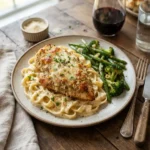
At Longhorn, this is often served with seasoned rice or steamed vegetables. At home, it pairs beautifully with garlic mashed potatoes, roasted asparagus, or a simple green salad with vinaigrette to cut the richness of the chicken.
Can I use chicken thighs instead of breasts?
Absolutely. Boneless, skinless chicken thighs are more forgiving and stay juicier than breasts. Adjust the cooking time slightly as they may take a minute or two longer to cook through depending on thickness.
Why is my sauce grainy?
This usually happens if the heat is too high when adding the cheese, causing it to separate. Always remove the pan from direct heat or turn it to low before whisking in the Parmesan.
Summary
Longhorn Steakhouse Parmesan Chicken is a rich, comforting dish featuring crispy breaded chicken smothered in a garlic-parmesan cream sauce and melted cheese. By mastering the breading technique and sauce emulsion, you can recreate this restaurant favorite in your own kitchen.