Introduction
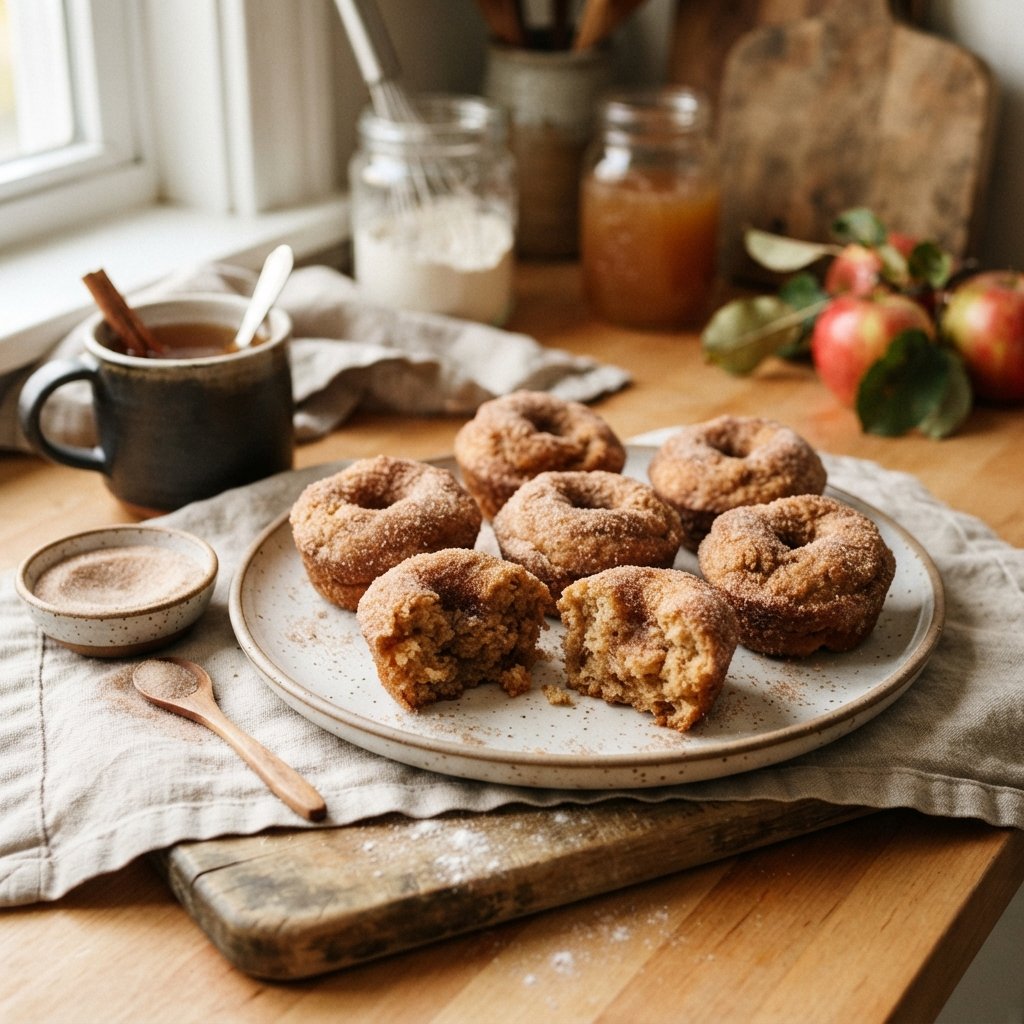
There is perhaps no scent more evocative of the autumn season than the warm, spiced aroma of apple cider donuts wafting from a kitchen oven. Baked Apple Cider Donut Muffins capture all the nostalgic flavor and comforting texture of the classic fairground treat but in a form that is easier to make, slightly lighter, and perfectly portioned for individual enjoyment. These muffins bridge the gap between a breakfast staple and a decadent dessert, offering a moist crumb infused with reduced apple cider, cinnamon, nutmeg, and a hint of brown sugar sweetness. Whether you are looking for a way to utilize leftover fresh cider from a local orchard or simply craving a fall-inspired bake, this recipe delivers a golden-brown exterior giving way to a tender, cake-like interior that melts in your mouth. Unlike their fried counterparts, these baked muffins require no hot oil or special equipment, making them an accessible project for bakers of all skill levels who want to bring the essence of harvest time into their homes.
The History
The origins of the apple cider donut are deeply rooted in the agricultural history of the Northeastern United States, particularly in New England and New York State. Historically, apple cider donuts were created as a way to utilize surplus apple cider during the peak harvest season in the late 19th and early 20th centuries. Farm stands and cider mills would reduce fresh pressed cider into a thick syrup to intensify the flavor, mixing it into dough that was then fried in lard or oil. These donuts became a staple of autumn festivals, pumpkin patches, and harvest celebrations, symbolizing the end of the growing season. Over time, as health consciousness grew and home baking evolved, the concept of the “donut muffin” emerged. This hybridization allowed home bakers to achieve the distinctive ring shape or donut flavor profile using standard muffin tins and baking powder rather than yeast or frying fats. The transition from fried to baked also reflects a broader culinary trend toward convenience and modest portion control, allowing the traditional flavor profile to survive and thrive in modern kitchens without the mess and heaviness of deep frying. Today, the baked apple cider donut muffin stands as a testament to culinary adaptation, preserving heritage flavors while accommodating contemporary lifestyles.
Ingredients Breakdown
Understanding the role of each component in this recipe is crucial for achieving the perfect texture and flavor balance. Below is a detailed analysis of why each ingredient is selected and how it contributes to the final product.
Reduced Apple Cider
The star of the show is not just regular cider, but cider that has been simmered down to a syrup. Fresh apple cider contains a high water content; if used directly, it can make the batter too thin and dilute the apple flavor. By reducing it, you concentrate the sugars and acids, providing a potent apple essence without adding excess moisture that could weigh down the crumb. This reduction also adds a natural caramelization note that complements the spices.
All-Purpose Flour
All-purpose flour provides the structural backbone for the muffins. It contains a moderate protein content that, when mixed with liquid, forms gluten. However, for muffins, we want to limit gluten development to ensure tenderness. The flour absorbs the reduced cider and fats, creating the matrix that holds the muffin together during the rise.
Leavening Agents (Baking Powder and Baking Soda)
This recipe utilizes a combination of both baking powder and baking soda. Baking powder provides a steady rise throughout the baking process, while baking soda reacts immediately with the acidity found in the apple cider and buttermilk. This dual-action ensures a high rise and a light, airy texture rather than a dense, brick-like outcome.
Brown and White Sugars
A blend of granulated white sugar and dark brown sugar is used. White sugar provides sweetness and helps with browning on the crust. Brown sugar, which contains molasses, adds moisture, a deeper caramel-like flavor, and chewiness to the crumb. The hygroscopic nature of brown sugar helps keep the muffins fresh for longer.
Spices (Cinnamon, Nutmeg, Allspice)
The classic “pumpkin spice” profile is essential for the donut identity. Cinnamon provides the primary warm note, nutmeg adds an earthy depth, and allspice offers a complex hint of clove and pepper. These spices interact with the apple flavors to create a cohesive autumnal profile.
Fat (Butter or Oil)
Melted butter is preferred for its rich flavor contribution, though neutral oil can be used for maximum moisture. Fat coats the flour proteins, inhibiting gluten formation (tenderizing) and carrying the fat-soluble flavor compounds of the spices throughout the batter.
Eggs
Eggs act as an emulsifier, binding the fat and water-based ingredients together. They also provide structure through coagulation during baking and contribute to the richness of the mouthfeel.
Step-by-Step Recipe
Before diving into the specific measurements, it is helpful to understand the flow of the baking process. This narrative walkthrough explains the logic behind the order of operations to ensure success.
Phase 1: Reduction and Preparation
The process begins before you even preheat the oven. You must reduce the apple cider on the stovetop. This takes time and patience. Pour the cider into a saucepan and simmer it until it resembles a thin syrup. This step cannot be rushed, as the flavor concentration is vital. While the cider cools, you should prepare your muffin tin by greasing it thoroughly or lining it with paper liners. Preheating the oven is also critical at this stage to ensure the leavening agents activate immediately upon entering the heat.
Phase 2: The Dry Mix
In a large bowl, you will whisk together your flour, leavening agents, salt, and spices. Whisking is important here not just to combine, but to aerate the flour and break up any clumps of baking powder or spices. Ensuring the spices are evenly distributed in the flour prevents biting into a pocket of pure cinnamon.
Phase 3: The Wet Mix
In a separate bowl, combine the eggs, sugars, melted butter, buttermilk, and the cooled reduced cider. Whisking these together ensures the sugar begins to dissolve and the fats are emulsified with the liquids. The temperature of these ingredients matters; ideally, they should be at room temperature to prevent the melted butter from seizing when it hits cold liquids.
Phase 4: Combination
This is the most critical step. Pour the wet ingredients into the dry ingredients. Using a spatula, fold the mixture gently. You are looking for a point where the flour streaks just disappear. Overmixing at this stage will develop too much gluten, resulting in tough, tunnelled muffins. A few small lumps are acceptable and preferable to a overworked batter.
Phase 5: Baking and Finishing
Scoop the batter into the prepared tin, filling the cups nearly to the top to achieve a domed muffin top. Bake until a toothpick inserted comes out clean. Once removed from the oven, let them cool slightly before brushing with melted butter and rolling in cinnamon sugar. This final step mimics the classic donut coating and adds a delightful crunch.
Tips
To elevate your baking experience and ensure consistent results every time, consider the following professional tips and troubleshooting advice.
- Cider Reduction Timing: Start reducing your cider an hour before you plan to bake. It needs time to cool down before adding it to the eggs, otherwise, you risk scrambling them.
- Room Temperature Ingredients: Take your eggs, buttermilk, and butter out of the fridge at least 30 minutes before baking. This ensures a smooth emulsion and even baking.
- Don’t Overmix: Mix the batter only until the dry ingredients are moistened. If you see lumps, leave them. Overmixing is the number one cause of dense muffins.
- Measuring Flour: For the most accuracy, weigh your flour. If using cups, spoon the flour into the cup and level it off rather than scooping directly from the bag, which compacts the flour and leads to dry muffins.
- Coating Adhesion: To get the cinnamon-sugar coating to stick properly, brush the warm muffins with melted butter immediately after taking them out of the pan. The fat acts as a glue for the sugar.
- Storage: Store these muffins in an airtight container at room temperature for up to two days. For longer storage, freeze them without the sugar coating and add it after reheating.
- Reheating: To restore the fresh-baked texture, warm the muffins in a toaster oven or conventional oven at 350°F for 5 minutes rather than microwaving, which can make them rubbery.
Variations and Customizations
While the classic recipe is timeless, there are numerous ways to customize these muffins to suit dietary needs or flavor preferences.
Add-Ins
For extra texture and fruit flavor, fold in half a cup of finely diced fresh apples or dried apple chips into the batter before baking. Walnuts or pecans can also be added for a crunchy contrast to the soft crumb.
Glaze Options
Instead of the cinnamon-sugar roll, you can dip the muffins in a simple maple glaze made from powdered sugar and maple syrup. A cream cheese glaze also pairs beautifully with the apple spice notes for a richer treat.
Dietary Swaps
Gluten-Free: Substitute the all-purpose flour with a 1:1 gluten-free baking blend that includes xanthan gum to maintain structure.
Vegan: Replace the eggs with flax eggs (1 tbsp ground flaxseed mixed with 3 tbsp water per egg) and use plant-based butter and almond milk mixed with vinegar to mimic buttermilk.
Dairy-Free: Swap the butter for coconut oil or vegetable oil and use a coconut or oat-based buttermilk alternative.
Streusel Topping
For a bakery-style finish, add a crumb topping before baking. Mix flour, brown sugar, cinnamon, and cold butter until crumbly, then sprinkle generously over the batter in the tin.
Health Considerations and Nutritional Value
While these muffins are a treat, understanding their nutritional profile helps in enjoying them mindfully. Compared to traditional fried apple cider donuts, the baked muffin version significantly reduces the fat content by eliminating the deep-frying process. A standard fried donut can absorb a substantial amount of oil, increasing calorie density and saturated fat. By baking, we rely on the fat within the batter only. The apple cider provides small amounts of antioxidants and potassium, though the reduction process concentrates the sugars as well. The use of brown sugar and flour means these are primarily a source of carbohydrates. To increase the nutritional value, consider substituting half of the all-purpose flour with whole wheat pastry flour, which adds fiber and nutrients without compromising tenderness. Additionally, reducing the sugar in the batter by 25% often goes unnoticed due to the sweetness of the reduced cider and the sugar coating. Portion control is key; one muffin serves as a satisfying snack, but they are calorie-dense due to the sugar and butter content. Enjoy them as part of a balanced breakfast paired with protein, such as Greek yogurt or eggs, to stabilize blood sugar levels.
Ingredients
- For the Muffins:
- 1 cup fresh apple cider (to be reduced to ½ cup)
- 2 cups all-purpose flour
- 1 teaspoon baking powder
- ½ teaspoon baking soda
- ½ teaspoon salt
- 1 teaspoon ground cinnamon
- ¼ teaspoon ground nutmeg
- ¼ teaspoon ground allspice
- ½ cup unsalted butter, melted
- ¾ cup granulated white sugar
- ¼ cup dark brown sugar, packed
- 2 large eggs, room temperature
- ½ cup buttermilk, room temperature
- 1 teaspoon vanilla extract
- For the Cinnamon Sugar Coating:
- 4 tablespoons unsalted butter, melted
- ½ cup granulated white sugar
- 1 tablespoon ground cinnamon
Directions
- Reduce the Cider: Pour 1 cup of apple cider into a small saucepan over medium heat. Simmer gently for 15 to 20 minutes until it reduces to approximately ½ cup of syrup. Remove from heat and allow it to cool completely to room temperature.
- Preheat and Prep: Preheat your oven to 350°F (175°C). Grease a 12-cup muffin tin thoroughly with butter or cooking spray, or line with paper liners.
- Combine Dry Ingredients: In a large mixing bowl, whisk together the flour, baking powder, baking soda, salt, cinnamon, nutmeg, and allspice. Ensure there are no clumps.
- Combine Wet Ingredients: In a separate medium bowl, whisk together the melted butter, granulated sugar, brown sugar, and eggs until smooth. Whisk in the cooled reduced cider, buttermilk, and vanilla extract.
- Mix Batter: Pour the wet mixture into the dry ingredients. Using a rubber spatula, gently fold the batter together just until the flour is incorporated. Do not overmix; the batter should be thick and slightly lumpy.
- Fill Tin: Divide the batter evenly among the 12 muffin cups, filling each about ¾ full.
- Bake: Bake for 18 to 22 minutes, or until a toothpick inserted into the center of a muffin comes out clean or with a few moist crumbs.
- Prepare Coating: While the muffins bake, mix the ½ cup sugar and 1 tablespoon cinnamon in a small bowl. Place the 4 tablespoons of melted butter in another small bowl.
- Coat Muffins: Once baked, let the muffins cool in the pan for 5 minutes. Remove them and, while still warm, dip the tops into the melted butter, then roll them in the cinnamon-sugar mixture.
- Serve: Serve warm or at room temperature. Enjoy immediately for the best texture.
FAQ
Can I use apple juice instead of cider?
It is not recommended. Apple juice is typically filtered and pasteurized, lacking the robust, tannic flavor profile of fresh pressed cider. The reduction process will not yield the same depth of flavor.
Why did my muffins turn out dry?
This is usually caused by overbaking or overmixing the batter. Ensure you remove them from the oven as soon as the toothpick test passes, and fold the batter gently to avoid developing tough gluten strands.
Can I make these ahead of time?
Yes, you can bake them a day in advance. Store them in an airtight container. However, wait to roll them in the cinnamon sugar until just before serving to prevent the coating from becoming soggy.
My cider didn’t reduce enough.
If your cider is still too liquid, continue simmering it. You need a syrup consistency. If you add too much liquid cider, the batter will be too wet and the muffins may not rise properly.
Can I freeze these muffins?
Yes, they freeze well. Wrap them individually in plastic wrap and place them in a freezer bag for up to 3 months. Thaw at room temperature and reheat before adding the sugar coating.
Summary
Baked Apple Cider Donut Muffins offer a nostalgic, spiced flavor with a moist texture without the need for frying.
Enjoy these easy-to-make treats warm with a cinnamon-sugar coating for the ultimate autumn baking experience.