Introduction
Welcome to the ultimate culinary guide for creating Cilantro Lime Steak Bowls, a dish that perfectly marries the robust, savory depth of perfectly seared beef with the bright, zesty freshness of citrus and herbs. This meal has transcended its origins to become a staple in modern home cooking and fast-casual dining alike, offering a customizable canvas for nutrition and flavor. Whether you are looking for a high-protein post-workout meal, a quick weeknight dinner that feels gourmet, or a healthy lunch prep option that holds up well throughout the week, this bowl delivers on every front. The magic lies in the marinade, where acidic lime juice tenderizes the meat while infusing it with aromatic cilantro, garlic, and spices, resulting in a steak that is juicy, flavorful, and incredibly satisfying.
Beyond just the steak, the bowl concept allows for a harmonious balance of textures and temperatures. Imagine warm, fluffy cilantro-lime rice serving as the base, topped with charred slices of steak, cool crisp lettuce, creamy avocado, and a drizzle of spicy crema or tangy salsa. It is a symphony of flavors that excites the palate while providing sustained energy. In this comprehensive guide, we will explore every facet of this dish, from its cultural roots to the scientific breakdown of ingredients, ensuring you master the technique required to elevate this simple concept into a restaurant-quality experience right in your own kitchen.
The History
The concept of the steak bowl, particularly one featuring cilantro and lime, is a fascinating evolution of Latin American culinary traditions adapted for the modern快节奏 lifestyle. While grain bowls have existed in various forms across Asia and the Middle East for centuries, the specific iteration of the “burrito bowl” or “steak bowl” gained massive popularity in the United States during the early 2000s. This surge is often attributed to the rise of fast-casual Mexican-inspired chains that sought to offer the flavors of a burrito without the tortilla, catering to low-carb and gluten-free dietary preferences.
However, the flavor profile itself is deeply rooted in traditional Mexican and Caribbean cooking. The use of mojo, a marinade made from citrus juice (often sour orange or lime), garlic, and herbs, has been used for centuries to tenderize and flavor meats in regions like Cuba, Mexico, and Yucatan. Cilantro, known scientifically as Coriandrum sativum, has been cultivated for thousands of years and remains a cornerstone of Latin American garnishes and sauces, such as chimichurri or salsa verde. The combination of lime and cilantro creates a chemical synergy where the acidity cuts through the richness of the fat in the steak, while the herbal notes provide a refreshing finish. As health consciousness grew in the 21st century, this traditional flavor pairing was repackaged into the “bowl” format, emphasizing whole foods, portion control, and macronutrient balance, turning a traditional marinade technique into a global wellness trend.
Ingredients Breakdown
To truly master this recipe, one must understand the role each component plays in the final dish. It is not merely about throwing ingredients together; it is about selecting the right quality and understanding how they interact.
The Steak
The star of the show requires careful selection. Flank steak and skirt steak are the traditional choices for this application. These cuts come from the abdominal muscles of the cow, meaning they are rich in beefy flavor but contain more connective tissue than tenderloin. This makes them ideal for marinating, as the acidic lime juice helps break down those fibers. Sirloin is a leaner alternative that cooks quickly, while Ribeye offers a luxurious, fat-rich experience if you are looking for indulgence over leanness. The key is to look for marbling—those white flecks of fat within the muscle—which melts during cooking to keep the meat moist.
The Cilantro Lime Marinade
Freshness is non-negotiable here. Cilantro should be vibrant green with no yellowing leaves, as wilted herbs will impart a bitter taste. The stems actually contain a significant amount of flavor and can be chopped finely and included in the marinade. Lime juice provides the acid necessary to denature the proteins on the surface of the meat, tenderizing it while adding a bright top note. We recommend using fresh-squeezed lime juice rather than bottled, as bottled varieties often contain preservatives that can alter the flavor profile and lack the volatile oils found in fresh fruit. Garlic and cumin add earthy warmth that grounds the acidity, creating a well-rounded flavor profile.
The Base and Toppings
While white rice is traditional, the base can vary. Jasmine rice offers a fragrant aroma that complements the lime, while brown rice or quinoa provides a nuttier texture and higher fiber content. The toppings are where customization shines. Black beans add creaminess and plant-based protein, corn adds a pop of sweetness to counter the savory steak, and avocado provides healthy monounsaturated fats that make the meal more satiating. A crunchy element like radishes or lettuce ensures every bite has textural contrast.
Step-by-Step Recipe
Creating the perfect Cilantro Lime Steak Bowl is a process that rewards patience and attention to detail. Follow this narrative walkthrough to understand the flow of cooking.
Phase 1: Preparation and Marination
Begin by preparing your marinade at least 30 minutes before cooking, though 2 to 4 hours is ideal. In a blender or food processor, combine fresh cilantro leaves and stems, fresh lime juice, minced garlic, olive oil, salt, black pepper, and a pinch of cumin. Blend until smooth. Place your steak in a large resealable plastic bag or a shallow glass dish and pour the marinade over it, ensuring the meat is fully coated. Seal the bag, removing as much air as possible, and place it in the refrigerator. This resting period allows the flavors to penetrate the surface of the meat and the acid to begin tenderizing the muscle fibers.
Phase 2: Cooking the Base
While the steak marinates, prepare your grain base. Rinse your rice thoroughly under cold water until the water runs clear; this removes excess starch and prevents the rice from becoming gummy. Cook the rice according to package instructions, preferably using chicken or beef broth instead of water for added depth. Once the rice is cooked and fluffy, stir in chopped fresh cilantro and a squeeze of lime juice while the rice is still warm. This allows the rice to absorb the herb and citrus flavors effectively. Keep the rice covered to retain heat.
Phase 3: Searing the Steak
Remove the steak from the refrigerator about 20 minutes before cooking to allow it to come to room temperature, which ensures even cooking. Pat the steak dry with paper towels; moisture is the enemy of a good sear. Heat a cast-iron skillet or grill pan over high heat until it is smoking slightly. Add a high-smoke-point oil like avocado oil. Place the steak on the hot surface and resist the urge to move it. Let it sear for 3-5 minutes per side depending on thickness, until a deep brown crust forms. Use a meat thermometer to check for doneness (130°F for medium-rare).
Phase 4: Resting and Assembly
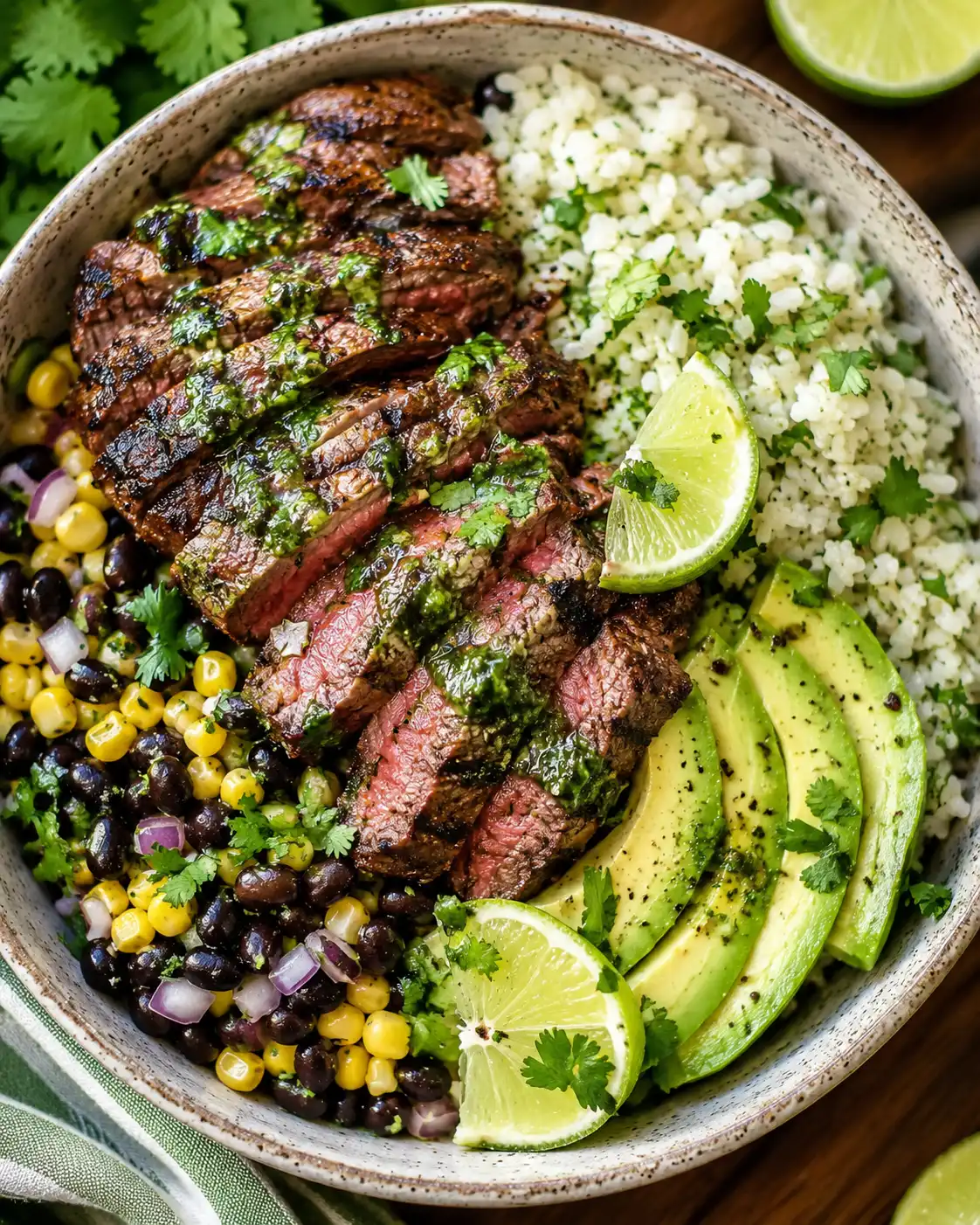
Once cooked, transfer the steak to a cutting board and let it rest for at least 10 minutes. This crucial step allows the juices, which have been driven to the center of the meat by the heat, to redistribute throughout the steak. If you cut it immediately, the juices will run out onto the board, leaving you with dry meat. After resting, slice the steak against the grain into thin strips. To assemble, place a bed of rice in a bowl, top with the sliced steak, and arrange your chosen toppings around the perimeter for a visually appealing presentation.
Tips
- Slicing Against the Grain: This is the most critical technique for tougher cuts like flank or skirt steak. Look for the direction the muscle fibers run and cut perpendicular to them. This shortens the fibers, making the meat significantly more tender to chew.
- Don’t Over-Marinate: While marinating is good, leaving steak in highly acidic lime juice for more than 24 hours can actually turn the texture mushy or mealy. Aim for the 2 to 4-hour sweet spot.
- High Heat is Key: To achieve a restaurant-quality crust, your pan must be very hot. If the pan is too cool, the meat will steam rather than sear, resulting in a gray exterior rather than a browned, flavorful crust.
- Prep Ahead for Meal Prep: These bowls are excellent for meal prepping. Cook the rice and steak in bulk on Sunday. Store the components separately in airtight containers. Keep delicate toppings like lettuce or avocado separate until you are ready to eat to prevent sogginess.
- Reviving Leftovers: When reheating the steak, do so gently to avoid overcooking. Use a skillet with a splash of water or broth and cover it to steam the meat gently, or microwave at 50% power.
Variations and Customizations
One of the greatest strengths of the bowl format is its adaptability to various dietary needs and flavor preferences.
Dietary Adjustments
For a Low-Carb or Keto version, swap the rice base for cauliflower rice. Sauté the cauliflower rice with a little butter and lime juice to mimic the texture and flavor of grains without the carbohydrates. For a Whole30 or Paleo approach, ensure your oil is compliant (like avocado oil) and skip any dairy-based toppings like cheese or crema, opting instead for guacamole.
Protein Swaps
While steak is the classic choice, this marinade works beautifully with chicken thighs, which remain juicy due to their higher fat content. Shrimp is another excellent option, though it requires a much shorter cooking time (2-3 minutes per side). For a vegetarian twist, use portobello mushrooms or firm tofu, pressing the tofu to remove excess water before marinating to allow it to absorb the cilantro-lime flavors.
Flavor Profiles
If you enjoy heat, add minced jalapeños or a dash of cayenne pepper to the marinade. For a smokier flavor, incorporate chipotle peppers in adobo sauce into the blending process. You can also change the cuisine vibe by adding mango salsa for a tropical twist or pickled red onions for a sharp, vinegary crunch that complements the rich beef.
Health Considerations and Nutritional Value
Cilantro Lime Steak Bowls are not only delicious but also nutritionally dense, offering a balanced profile of macronutrients.
Macronutrient Balance
The steak provides a high-quality source of complete protein, essential for muscle repair and satiety. A standard 4-ounce serving of flank steak offers approximately 30 grams of protein. The rice or grain base supplies complex carbohydrates, which are the body’s primary energy source. By choosing brown rice or quinoa, you increase the fiber content, which aids in digestion and blood sugar regulation. The avocado and olive oil contribute healthy fats, which are necessary for nutrient absorption and hormone health.
Micronutrients
Cilantro is more than just a garnish; it is rich in antioxidants and may help reduce inflammation. It also contains vitamin K, vitamin C, and vitamin A. Limes are packed with vitamin C, which boosts the immune system and aids in the absorption of iron from the steak. Beef is an excellent source of heme iron, zinc, and vitamin B12, nutrients that are often difficult to obtain in sufficient quantities from plant-based sources alone. By combining these ingredients, you create a meal that supports energy levels, immune function, and overall metabolic health.
Caloric Awareness
The calorie count can vary significantly based on portion sizes and toppings. A standard bowl with lean steak, white rice, and plenty of vegetables typically ranges between 500 to 700 calories. To reduce calories, increase the volume of non-starchy vegetables like lettuce and peppers while reducing the portion of rice and high-fat toppings like cheese or sour cream.
Ingredients
- For the Steak and Marinade:
- 1.5 lbs Flank or Skirt Steak
- 1 cup Fresh Cilantro, packed (leaves and tender stems)
- 1/4 cup Fresh Lime Juice (about 2-3 limes)
- 4 cloves Garlic, peeled and minced
- 2 tablespoons Olive Oil or Avocado Oil
- 1 teaspoon Ground Cumin
- 1 teaspoon Salt
- 1/2 teaspoon Black Pepper
- For the Cilantro Lime Rice:
- 1 cup Long Grain White Rice or Brown Rice
- 2 cups Water or Chicken Broth
- 1/4 cup Fresh Cilantro, chopped
- 1 tablespoon Lime Juice
- 1/2 teaspoon Salt
- For the Toppings (Optional):
- 1 Avocado, sliced or diced
- 1 cup Black Beans, rinsed and drained
- 1 cup Corn kernels (fresh or roasted)
- 1 cup Lettuce or Spinach, shredded
- 1/2 cup Salsa or Pico de Gallo
- Lime wedges for serving
Directions
- Marinate the Steak: In a blender, combine cilantro, lime juice, garlic, oil, cumin, salt, and pepper. Blend until smooth. Place steak in a bag, pour in marinade, seal, and refrigerate for at least 30 minutes, up to 4 hours.
- Cook the Rice: Rinse rice under cold water. Combine rice, water (or broth), and salt in a pot. Bring to a boil, reduce heat to low, cover, and simmer for 18-20 minutes until liquid is absorbed. Remove from heat and let sit for 5 minutes. Fluff with a fork and stir in chopped cilantro and lime juice.
- Sear the Steak: Remove steak from marinade and pat dry. Heat a cast-iron skillet over high heat with a little oil. Cook steak for 3-5 minutes per side until a crust forms and internal temperature reaches 130°F for medium-rare.
- Rest and Slice: Transfer steak to a cutting board and let rest for 10 minutes. Slice thinly against the grain.
- Assemble Bowls: Divide rice among bowls. Top with sliced steak, beans, corn, avocado, lettuce, and salsa. Serve immediately with lime wedges.
FAQ
Can I freeze the marinated steak?
Yes, you can freeze the steak in the marinade for up to 3 months. Thaw it in the refrigerator overnight before cooking. However, for the best texture, fresh marination is preferred.
What if I don’t like cilantro?
Cilantro has a polarizing flavor profile due to genetic variations in taste perception. If you dislike it, substitute with fresh parsley and add a bit more lime zest to maintain the citrusy brightness without the herbal soapiness some people detect.
How do I make the rice fluffy?
The secret is rinsing the starch off before cooking and not lifting the lid while it simmers. Letting it rest off the heat for 5 minutes before fluffing also prevents clumping.
Is this recipe gluten-free?
Yes, naturally. As long as you ensure your spices and broth are certified gluten-free, this entire meal is safe for those with Celiac disease or gluten sensitivity.
Can I cook the steak on a grill?
Absolutely. Grilling adds a smoky flavor that complements the lime. Preheat your grill to high heat and cook times will be similar to the skillet method, just watch for flare-ups from the marinade oil.
Summary (in two lines)
Cilantro Lime Steak Bowls combine tender, marinated beef with zesty rice and fresh toppings for a balanced, high-protein meal.
Perfect for meal prep or quick dinners, this dish offers customizable flavors and robust nutritional benefits in every bite.