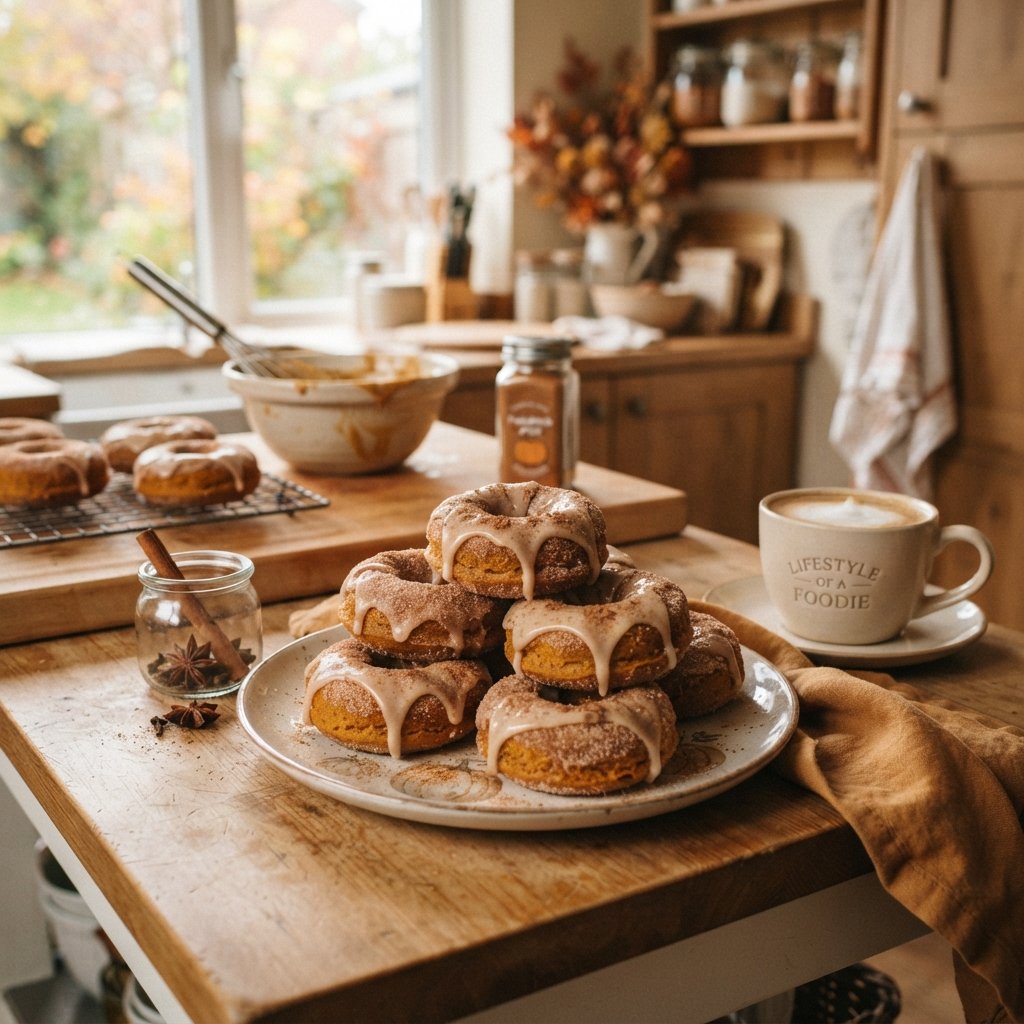
Baked Pumpkin Spice Donuts
Introduction
There is something undeniably magical about the arrival of autumn, a season that beckons us to cozy up in sweaters, sip hot beverages, and indulge in the warm, comforting flavors of harvest. Among the myriad of treats that define this time of year, baked pumpkin spice donuts stand out as a quintessential delight that bridges the gap between nostalgic comfort and modern baking convenience. Unlike their fried counterparts, which can often feel heavy and greasy, baked donuts offer a lighter, cake-like texture that perfectly complements the moist richness of pumpkin puree. The aroma that fills your kitchen while these donuts bake is nothing short of transformative, weaving notes of cinnamon, nutmeg, and ginger into the very fabric of your home.
For the Lifestyle of a Foodie, creating these donuts is not merely about following a recipe; it is about crafting an experience. It is about the joy of mixing batter by hand, the anticipation of pulling a golden tray from the oven, and the satisfaction of drizzling a sweet glaze over warm treats. Whether you are hosting a brunch, sending care packages to loved ones, or simply treating yourself to a quiet moment with a cup of coffee, these baked pumpkin spice donuts serve as the perfect centerpiece. They are easy enough for a beginner baker to master yet sophisticated enough to impress seasoned food enthusiasts. As we delve into the world of pumpkin spice baking, prepare to discover the secrets behind achieving the perfect crumb, the ideal spice balance, and the glaze that ties it all together.
The History
To truly appreciate the baked pumpkin spice donut, one must understand the rich tapestry of history that surrounds both the donut itself and the iconic spice blend that defines its flavor. The origins of the donut can be traced back to the Dutch settlers who arrived in New York, then New Amsterdam, in the early 18th century. They brought with them a recipe for “olykoeks,” or oily cakes, which were sweet balls of dough fried in pork fat. These early iterations did not have holes; instead, the centers often remained uncooked, leading to the legendary tale of a sailor named Hanson Gregory who punched a hole in the center to ensure even cooking. Over centuries, the donut evolved from a fried luxury to a staple of American bakeries, with the invention of the donut machine in the 1920s democratizing access to this sweet treat.
The concept of baking donuts rather than frying them is a more modern innovation, gaining significant traction in the health-conscious era of the late 20th and early 21st centuries. Baking allowed for better control over ingredients, reducing fat content while maintaining moisture through the addition of fruits and vegetables like pumpkin. The pumpkin spice element, however, has its own fascinating cultural journey. While pumpkins have been cultivated in North America for thousands of years, the specific blend of spices we know today as “pumpkin spice”—typically cinnamon, ginger, nutmeg, allspice, and cloves—was popularized commercially in the 1930s by spice companies looking to sell more spices during the fall season. It reached meteoric fame in 2003 with the introduction of the Pumpkin Spice Latte, cementing the flavor profile as the definitive taste of autumn. Combining these two histories creates the baked pumpkin spice donut, a modern tribute to centuries of culinary evolution.
Ingredients Breakdown
Understanding the role of each ingredient in this recipe is crucial for mastering the science of baking. Each component serves a specific chemical or structural purpose that contributes to the final texture, flavor, and appearance of the donuts.
- All-Purpose Flour: This is the structural backbone of the donut. The protein content in all-purpose flour provides the necessary gluten structure to hold the donut together without making it too chewy. For a lighter texture, some bakers prefer cake flour, but all-purpose offers a reliable balance.
- Pumpkin Puree: It is vital to use 100% pure pumpkin puree rather than pumpkin pie filling. Pie filling contains added sugars and thickeners that can alter the chemistry of the batter. The puree adds moisture, natural sweetness, and that distinct earthy flavor.
- Leavening Agents (Baking Powder and Baking Soda): These are the engines of rise. Baking powder provides an initial lift when mixed with liquid, while baking soda reacts with the acidity in the pumpkin and brown sugar to create carbon dioxide bubbles, ensuring the donuts are fluffy and not dense.
- Brown Sugar and Granulated Sugar: Using a combination of sugars adds depth. Brown sugar contains molasses, which adds moisture and a caramel-like note that pairs beautifully with pumpkin. Granulated sugar ensures a proper crust formation.
- Pumpkin Pie Spice: This blend is the soul of the recipe. While you can buy it pre-mixed, making your own allows you to adjust the ratios of cinnamon, nutmeg, ginger, and cloves to suit your palate.
- Eggs: Eggs act as a binder, holding the ingredients together. They also provide richness and contribute to the structure through coagulation during baking.
- Milk or Buttermilk: Dairy adds tenderness to the crumb. Buttermilk, with its slight acidity, can react with the baking soda for an extra lift and a tangy flavor profile that cuts through the sweetness.
- Butter or Oil: Fat coats the flour proteins, inhibiting gluten formation and ensuring a tender bite. Melted butter adds flavor, while vegetable oil keeps the donuts moist for longer.
- Vanilla Extract: Often overlooked, vanilla enhances the perception of sweetness and rounds out the sharp edges of the spices.
Step-by-Step Recipe
Creating the perfect baked donut requires attention to detail and a methodical approach. Follow this comprehensive guide to ensure your donuts rise beautifully and taste exceptional.
- Preparation is Key: Begin by preheating your oven to 350°F (175°C). Consistent oven temperature is vital for even baking. While the oven heats, prepare your donut pan by greasing it thoroughly with non-stick spray or butter. Even if your pan is non-stick, extra grease ensures easy release.
- Whisk Dry Ingredients: In a large mixing bowl, combine the flour, baking powder, baking soda, salt, and pumpkin pie spice. Whisk these together vigorously to ensure the leavening agents and spices are evenly distributed throughout the flour. This prevents bitter pockets of baking soda or uneven spice flavor.
- Mix Wet Ingredients: In a separate medium bowl, whisk together the pumpkin puree, sugars, eggs, melted butter (cooled slightly), milk, and vanilla extract. Ensure the mixture is smooth and homogenous. The pumpkin puree should be fully incorporated without any lumps.
- Combine Wet and Dry: Pour the wet mixture into the dry ingredients. Using a spatula, gently fold the batter together. This is the most critical step; stop mixing as soon as the flour streaks disappear. Overmixing develops gluten, leading to tough, rubbery donuts.
- Fill the Pan: Transfer the batter into a piping bag or a zip-top bag with the corner snipped off. Pipe the batter into the prepared donut cavities, filling them about three-quarters full. This allows room for the donuts to rise without overflowing.
- Bake to Perfection: Place the pan in the center rack of the oven. Bake for 10 to 12 minutes. To test for doneness, lightly press the top of a donut; it should spring back. Alternatively, insert a toothpick into the thickest part; it should come out clean or with a few moist crumbs.
- Cooling and Glazing: Allow the donuts to cool in the pan for 5 minutes before transferring them to a wire rack. Once completely cool, dip the tops into your prepared glaze or dust with cinnamon sugar. Serve immediately for the best texture.
Tips
Even with a perfect recipe, small tweaks can elevate your baking from good to extraordinary. Here are expert tips to ensure your baked pumpkin spice donuts are flawless every time.
- Room Temperature Ingredients: Ensure your eggs and milk are at room temperature before mixing. Cold ingredients can shock the melted butter, causing it to solidify into chunks, and can hinder the emulsification process, resulting in a less uniform batter.
- Don’t Overfill: Resist the temptation to fill the donut pans to the brim. The batter will expand as it bakes. Overfilling leads to donuts that merge together or lose their defined ring shape.
- Fresh Spices: Spices lose their potency over time. Check the expiration date on your cinnamon and nutmeg. If they smell dull, replace them. Freshly grated nutmeg offers a significantly more aromatic profile than pre-ground versions.
- Glaze Consistency: If your glaze is too thin, it will run off the donut. If it is too thick, it will clump. Adjust by adding milk teaspoon by teaspoon to thin it, or powdered sugar to thicken it. The glaze should coat the back of a spoon heavily.
- Storage Strategy: These donuts are best eaten fresh. However, if storing, keep them in an airtight container at room temperature for up to two days. For longer storage, freeze the unglazed donuts and glaze them after thawing.
- Pan Selection: Silicone donut pans are excellent for easy release, but metal pans conduct heat better for a nicer crust. If using silicone, place the tray on a baking sheet for stability before putting it in the oven.
Variations and Customizations
One of the joys of baking is the ability to adapt recipes to suit dietary needs or flavor preferences. The base recipe for baked pumpkin spice donuts is incredibly versatile and can be modified in numerous ways.
- Vegan Adaptation: To make these donuts vegan, substitute the eggs with flax eggs (1 tablespoon ground flaxseed mixed with 3 tablespoons water per egg) and use plant-based milk such as almond or oat milk. Replace butter with melted coconut oil or vegan butter sticks.
- Gluten-Free Option: Swap the all-purpose flour for a high-quality 1:1 gluten-free flour blend. Ensure the blend contains xanthan gum, which mimics the elasticity of gluten. You may need to add a splash more milk as gluten-free flours often absorb more liquid.
- Fillings: Turn these into filled donuts by skipping the hole in the center and baking them as donut holes. Once cooled, use a piping tip to inject a filling of cream cheese frosting, spiced custard, or pumpkin mousse into the center.
- Toppings: Move beyond the standard glaze. Try a cream cheese drizzle, a maple butter glaze, or a crunchy topping of crushed pecans or candied ginger. A sprinkle of sea salt on top of the glaze can also enhance the sweetness.
- Chocolate Twist: Add two tablespoons of cocoa powder to the dry ingredients for a chocolate pumpkin donut. Pair this with a white chocolate glaze for a striking visual contrast.
- Mini Donuts: Use a mini donut pan to create bite-sized treats. Reduce the baking time to 6-8 minutes. These are perfect for party platters or children’s lunchboxes.
Health Considerations and Nutritional Value
While donuts are traditionally viewed as indulgent treats, baking them offers a healthier profile compared to frying. Understanding the nutritional landscape allows you to enjoy these donuts mindfully.
Caloric Comparison: A fried donut absorbs significant amounts of oil during the cooking process, often adding 100 to 200 calories per serving solely from fat. Baked donuts eliminate this absorption, relying on the fat added in the batter, which is measured and controlled. This can reduce the calorie count by approximately 30% per donut.
Nutrient Density: Pumpkin is a nutrient-dense vegetable. It is an excellent source of Vitamin A (in the form of beta-carotene), which supports eye health and immune function. It also provides potassium and fiber. By using puree, you incorporate these vitamins into the treat, adding a slight nutritional boost compared to plain pastry.
Sugar Management: The recipe utilizes both brown and granulated sugar. To reduce the glycemic impact, you can substitute a portion of the sugar with natural sweeteners like maple syrup or honey, though this may alter the texture. Alternatively, reducing the sugar in the batter by 25% is often undetectable due to the natural sweetness of the pumpkin and the glaze.
Dietary Restrictions: As noted in the variations, this recipe is easily adaptable for gluten intolerance and dairy allergies. Using whole wheat pastry flour can increase the fiber content, aiding in digestion and providing a slower release of energy. However, moderation is key; even baked donuts are a treat and should be enjoyed as part of a balanced diet.
Ingredients
- 1 ½ cups all-purpose flour
- 1 teaspoon baking powder
- ½ teaspoon baking soda
- ½ teaspoon salt
- 1 ½ teaspoons pumpkin pie spice
- ¾ cup pumpkin puree (100% pure)
- ½ cup brown sugar, packed
- ¼ cup granulated sugar
- 2 large eggs, room temperature
- ¼ cup unsalted butter, melted and cooled
- ¼ cup milk or buttermilk
- 1 teaspoon vanilla extract
- For the Glaze: 1 cup powdered sugar, 2 tablespoons milk, ½ teaspoon vanilla, pinch of cinnamon
Directions
- Preheat your oven to 350°F (175°C) and generously grease a 6-cup donut pan with non-stick spray.
- In a large bowl, whisk together the flour, baking powder, baking soda, salt, and pumpkin pie spice until well combined.
- In a separate medium bowl, whisk the pumpkin puree, brown sugar, granulated sugar, eggs, melted butter, milk, and vanilla extract until smooth.
- Pour the wet ingredients into the dry ingredients and fold gently with a spatula until just combined. Do not overmix.
- Spoon or pipe the batter into the prepared donut pan, filling each cavity about ¾ full.
- Bake for 10-12 minutes, or until a toothpick inserted comes out clean and the tops spring back when touched.
- Let the donuts cool in the pan for 5 minutes, then transfer to a wire rack to cool completely.
- Whisk together the glaze ingredients until smooth. Dip the top of each cooled donut into the glaze and allow to set before serving.
FAQ
Can I make these donuts without a donut pan?
Yes, you can bake the batter in a mini muffin tin to create donut holes. Simply reduce the baking time to 8-10 minutes and toss them in cinnamon sugar instead of glazing.
Why are my donuts dense?
Density usually results from overmixing the batter. Once the flour is hydrated, gluten begins to form. Mixing too much develops too much gluten, resulting in a tough texture. Mix until just combined.
Can I freeze these donuts?
Yes, baked donuts freeze well. Wrap them individually in plastic wrap and place them in a freezer bag. They can be frozen for up to 3 months. Thaw at room temperature and glaze before serving.
What if I don’t have pumpkin pie spice?
You can make your own blend. Mix 1 teaspoon cinnamon, ¼ teaspoon ginger, ¼ teaspoon nutmeg, and a pinch of cloves and allspice to substitute for 1 ½ teaspoons of pumpkin pie spice.
How do I keep the donuts moist?
Ensure you do not overbake them. Check them at the 10-minute mark. Also, storing them in an airtight container helps retain moisture. Adding a tablespoon of sour cream to the batter can also enhance moisture retention.
Summary
Baked pumpkin spice donuts offer a lighter, healthier alternative to fried treats while delivering the quintessential flavors of autumn in every bite.
Perfect for beginners and experienced bakers alike, this recipe combines moist pumpkin puree with warm spices for a cozy, irresistible seasonal dessert.