Introduction
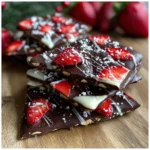
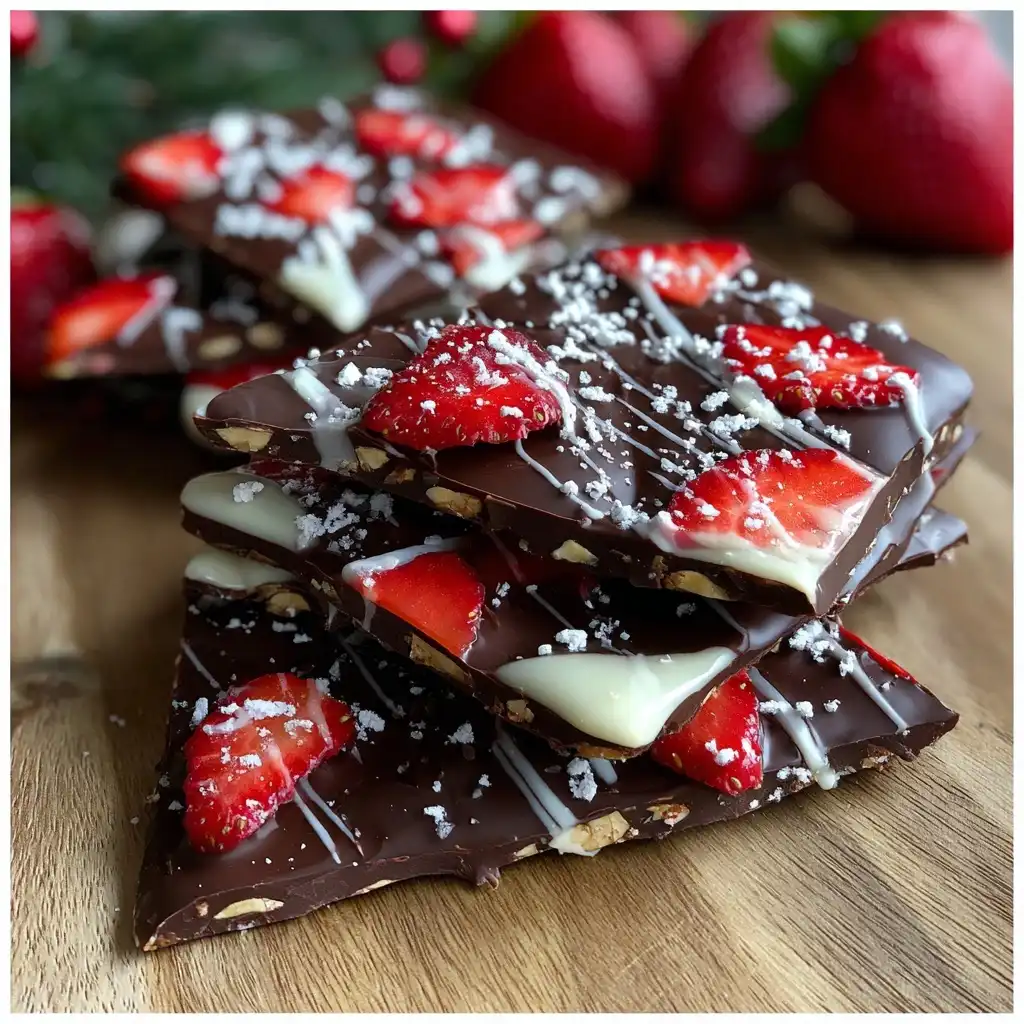
Chocolate Covered Strawberry Bark is a dazzling, elegant-yet-effortless confection that marries the luscious sweetness of ripe strawberries with the rich, velvety depth of premium chocolate—transformed into a stunning, shareable, breakable masterpiece. Unlike traditional candies or layered desserts, this bark celebrates simplicity in form and sophistication in flavor: thin sheets of tempered chocolate studded with vibrant, jewel-toned strawberries, often enhanced with textural accents like toasted nuts, flaky sea salt, freeze-dried fruit, or edible flowers. It’s as much a visual centerpiece as it is a sensory delight—crisp, cool, creamy, tart, and decadent all at once. Whether served at bridal showers, holiday dessert tables, summer garden parties, or simply as a luxurious weeknight treat, strawberry bark embodies modern confectionery: artisanal in appearance, accessible in execution, and endlessly adaptable to personal taste, seasonal availability, and dietary needs. Its beauty lies not only in its glossy sheen and ruby-red contrast but also in its versatility—it bridges the gap between homemade charm and gourmet appeal without requiring professional equipment or advanced technique.
The History
While “bark” as a confectionary category traces its roots to mid-20th-century American candy-making—particularly the iconic peanut butter bark and classic almond bark popularized by brands like See’s Candies and regional chocolatiers—the fusion of fresh strawberries and chocolate in bark form is a relatively recent evolution, emerging prominently in the 2010s alongside the rise of food blogging, Instagram-driven aesthetics, and the “gourmet snackification” trend. Early iterations appeared in Martha Stewart Living and Bon Appétit as spring-themed entertaining ideas, capitalizing on the cultural fascination with “pretty food”—desserts designed to be photographed, shared, and savored slowly. The concept draws subtle inspiration from European traditions: the French ganache en plaque (a chilled, slab-style ganache), Italian cioccolato spezzato (broken chocolate), and even Japanese mochi bark hybrids—but adapts them for home kitchens using accessible ingredients and minimalist methods. Crucially, chocolate-covered strawberries themselves have a storied past: legend credits Chicago confectioner Charlie Long in the 1930s with first dipping strawberries in chocolate for a Valentine’s Day promotion, later popularized by Hollywood glamour and romantic gifting culture. Strawberry bark, then, is both a nostalgic homage and a contemporary reimagining—taking that iconic pairing out of the skewer and onto the slab, transforming an intimate gesture into a communal, customizable, and highly stylized experience.
Ingredients Breakdown
Every exceptional batch of Chocolate Covered Strawberry Bark begins with intentionality—not just in selection, but in understanding how each component functions chemically and sensorially:
- High-Quality Couverture Chocolate (60–72% cacao dark, or high-cocoa-milk/white chocolate): The backbone of the bark. Couverture contains a higher percentage of cocoa butter (typically 31–38%), which ensures superior melt, shine, snap, and temper stability. Avoid “chocolate-flavored chips” or products with vegetable oils—they lack cocoa butter’s crystalline structure, resulting in dull, soft, or streaky bark that won’t set properly. Dark chocolate offers balanced bitterness to offset strawberry acidity; milk chocolate adds caramelized creaminess; white chocolate delivers vanilla-forward luxury—but requires extra care due to its sensitivity to moisture and heat.
- Fresh, Ripe, Dry Strawberries: Non-negotiable. Choose medium-sized, deeply red, fragrant berries at peak ripeness—underripe fruit lacks sweetness and aroma; overripe berries weep excess moisture, causing chocolate bloom or separation. They must be *completely dry*: after rinsing (if needed), pat meticulously with paper towels, then air-dry on a wire rack for 15–30 minutes. Even trace water reacts catastrophically with melted chocolate (“seizing”), turning it grainy and unworkable.
- Unsweetened Cocoa Powder (optional but recommended for dusting): A light dusting before setting adds subtle complexity, visual contrast, and a hint of roasted bitterness that enhances the chocolate’s depth—without adding sugar or moisture.
- Flaky Sea Salt (e.g., Maldon or Fleur de Sel): Applied *immediately* after spreading chocolate, salt amplifies sweetness, balances acidity, and introduces a delicate crunch. Its irregular crystals catch light beautifully and dissolve slowly on the tongue for layered perception.
- Complementary Textural Elements: Toasted sliced almonds, crushed pistachios, or chopped hazelnuts add nutty richness and audible crunch; freeze-dried strawberries intensify berry flavor and provide airy, tart bursts; unsweetened coconut flakes lend tropical nuance and chew; edible rose petals or violets contribute floral elegance and photogenic appeal.
- Optional Flavor Infusions: A drop of pure peppermint extract (for contrast), orange zest (to brighten), or a pinch of ground cardamom (for warmth) can elevate without overwhelming. Always add flavorings *after* melting and *just before* spreading—heat degrades volatile aromatic compounds.
Each ingredient serves a purpose beyond taste: texture modulation, moisture control, visual layering, mouthfeel progression, and structural integrity. Understanding these roles empowers confident customization—and troubleshooting.
Step-by-Step Recipe
- Prep the Workspace (15 minutes ahead): Line a half-sheet pan (13″x18″) with parchment paper, extending 2 inches over two opposite edges for easy lifting. Place pan in freezer for 10 minutes—this ensures rapid, even setting and prevents condensation.
- Select & Prepare Strawberries (10–12 minutes): Wash only if visibly dusty (ideally, skip washing—buy pre-cleaned organic). Hull berries with a paring knife or strawberry huller, leaving stems intact for visual interest (optional). Halve or quarter larger berries; keep smaller ones whole for variety. Spread on triple-layered paper towels. Pat *aggressively*, flipping occasionally. Transfer to wire rack; air-dry 20 minutes minimum. Any dampness = seized chocolate.
- Temper or Melt Chocolate (8–12 minutes): Chop chocolate finely for even melting. Use either:
- Double Boiler Method: Simmer 1 inch water in saucepan. Place heatproof bowl atop (don’t let bottom touch water). Add ⅔ chocolate; stir constantly with silicone spatula until melted and smooth (110–115°F for dark, 105–110°F for milk/white). Remove from heat; stir in remaining ⅓ chocolate (“seeding”) until fully incorporated and cooled to 88–90°F (dark) or 84–86°F (milk/white). Test temper: dip knife tip in chocolate, refrigerate 3 minutes—it should set firm, glossy, and snap cleanly.
- Quick Microwave Method (for beginners): Place chopped chocolate in microwave-safe bowl. Heat at 50% power: 60 seconds, stir; 30 seconds, stir; 15 seconds, stir—repeat until nearly melted. Stir vigorously until smooth. Do *not* overheat—even 5 seconds too long causes seizing. This yields “soft temper,” suitable for bark if chilled thoroughly.
- Assemble the Bark (5 minutes): Remove chilled pan from freezer. Pour tempered chocolate onto center. Using an offset spatula, spread evenly to ¼-inch thickness, reaching corners. Work quickly—chocolate thickens as it cools. Immediately arrange strawberries in overlapping, artful clusters—leave some gaps for visual rhythm. Gently press berries *just enough* to embed halfway (don’t submerge fully—tops must remain visible). Sprinkle evenly with sea salt, nuts, freeze-dried fruit, or other toppings. Optional: Dust lightly with cocoa powder using fine-mesh sieve.
- Set & Chill (35–45 minutes): Return pan to freezer—*do not cover*. Freezing ensures sharp snap and prevents sweating. Chill until chocolate is completely firm and opaque (no tackiness when touched). For best texture and bloom resistance, chill 45 minutes minimum.
- Break & Store (3 minutes): Lift parchment to remove bark slab. Invert onto cutting board. Peel off parchment. Using hands (not a knife), snap into rustic, uneven shards—vary sizes for visual intrigue. Store in airtight container with parchment layers between shards, at cool room temperature (60–68°F) for up to 3 days, or refrigerated for up to 10 days. Bring to room temp 10 minutes before serving for optimal mouthfeel.
Tips
- Dryness is Destiny: Moisture is chocolate’s arch-nemesis. If strawberries feel even slightly cool or dewy, return them to the wire rack. A hair dryer on cool setting (held 12 inches away) can accelerate drying without warming berries.
- Temperature Precision Matters: Use a digital thermometer—guesswork leads to bloom (grayish streaks from fat/cocoa butter separation) or soft bark. Room should be 65–72°F during assembly; warmer rooms cause smudging; cooler rooms cause premature setting.
- Strawberry Placement Strategy: Arrange largest berries toward center, smaller ones near edges. Angle some vertically for dimension. Leave ¼-inch borders bare—prevents messy overhangs when breaking.
- Prevent Sticking: Never place bark directly on plastic wrap or foil—it will adhere. Always use parchment. For gift boxes, layer with wax paper or rice paper.
- Rescue Seized Chocolate: If chocolate turns grainy, immediately whisk in 1 tsp neutral oil (grapeseed or coconut) or warm heavy cream—1/2 tsp at a time—until smooth. It won’t temper perfectly but works for bark.
- Enhance Shine: After spreading chocolate but *before* adding toppings, gently pass a kitchen torch 6 inches above surface for 2 seconds—melts micro-crystals for mirror-like finish (optional but impressive).
- Freeze-Dried Fruit Hack: Pulse freeze-dried strawberries in spice grinder for 3 seconds—sprinkle *over* chocolate *before* fresh berries for intense color and flavor foundation.
- Batch Scaling: Double the recipe? Use two pans—never try to spread chocolate too thin across a larger surface; thickness affects setting time and snap.
- Clean Tools Between Colors: If making multi-chocolate bark (e.g., dark + white swirls), wash spatula and bowl thoroughly—residual dark chocolate in white will discolor it.
- Serve with Intention: Present on marble slabs, slate boards, or vintage cake stands. Garnish with mint sprigs or edible gold leaf for events.
Variations and Customizations
The true magic of strawberry bark lies in its chameleon-like adaptability—here are 12 thoughtfully developed variations, each balancing innovation with integrity to the core concept:
- White Chocolate + Rosewater + Pistachios: Infuse melted white chocolate with ¼ tsp food-grade rosewater; top with crushed roasted pistachios and dried culinary rose petals. Evokes Turkish delight with Parisian refinement.
- Dark Chocolate + Balsamic Glaze Drizzle: After bark sets, drizzle with house-made balsamic reduction (simmer ½ cup balsamic + 1 tbsp brown sugar until syrupy, cooled). Adds sweet-tart umami depth.
- Milk Chocolate + Toasted Coconut + Lime Zest: Fold unsweetened toasted coconut flakes and microplaned lime zest into melted milk chocolate before spreading. Tropical brightness cuts richness.
- Single-Origin Dark Chocolate Bark: Use 70% Madagascar (fruity, red berry notes) or 75% Ecuadorian (earthy, wine-like) chocolate—skip added fruit; let terroir shine through pristine strawberries and flaky salt.
- Vegan Chocolate Bark: Substitute certified vegan couverture (e.g., Enjoy Life or Hu Kitchen); ensure strawberries are organic (no wax coating); top with pumpkin seeds and cacao nibs for crunch.
- Protein-Powered Bark: Stir 2 tbsp unflavored collagen peptides or plant-based protein powder into *cooled* melted chocolate (prevents clumping). Add hemp hearts and goji berries.
- Spiced Chai Bark: Infuse cream with chai spices (cardamom, ginger, cinnamon), strain, warm, then pour over chopped dark chocolate to make ganache base. Set, then top with strawberries and black pepper.
- “Everything Bagel” Savory-Sweet Bark: Use dark chocolate infused with everything bagel seasoning (dehydrated onion/garlic, sesame, poppy) and flaky salt—topped with dehydrated strawberry chips for tangy contrast.
- Sparkling Rosé Bark: Reduce ½ cup dry rosé to 2 tbsp; cool completely. Whisk into melted white chocolate. Top with edible pearl sugar and freeze-dried raspberries.
- Matcha White Chocolate Bark: Whisk 1 tsp ceremonial-grade matcha into melted white chocolate. Pair with strawberries and black sesame seeds for Japanese garden elegance.
- Smoked Sea Salt & Caramel Swirl: Drizzle cooled, thick caramel (with smoked sea salt) over chocolate *before* strawberries. Swirl gently with toothpick for marbled effect.
- Deconstructed “Strawberry Shortcake” Bark: Layer crumbled gluten-free shortcake cookies *under* chocolate, then top with strawberries, lemon zest, and dollops of stabilized whipped coconut cream (set 10 min before serving).
Each variation maintains the foundational principles—structural integrity, moisture control, visual hierarchy—while inviting cultural exploration, dietary inclusion, and seasonal storytelling (e.g., swap strawberries for ripe raspberries in summer, cranberries in winter).
Health Considerations and Nutritional Value
A 1.5-ounce serving (approx. 3–4 medium shards) of classic dark chocolate strawberry bark delivers a compelling nutritional profile when crafted mindfully:
- Antioxidant Powerhouse: Strawberries provide 98% DV vitamin C per cup (fresh), plus ellagic acid and anthocyanins—compounds linked to reduced inflammation and cellular protection. Dark chocolate (70%+) contributes flavanols shown in clinical studies to support endothelial function and healthy blood flow.
- Heart-Healthy Fats: Cocoa butter’s stearic acid behaves metabolically like oleic acid (heart-healthy monounsaturated fat found in olive oil), not saturated fat—studies indicate neutral impact on LDL cholesterol.
- Fiber & Phytonutrients: 1 cup halved strawberries = 3g fiber; chocolate adds trace minerals (magnesium, iron, copper). Combined, they offer synergistic polyphenol activity greater than either alone.
- Low-Glycemic Impact (When Done Right): Using high-cocoa chocolate (≤8g sugar per oz) and no added sweeteners keeps glycemic load low—ideal for metabolic health. Avoid recipes with corn syrup, powdered sugar, or excessive honey.
- Considerations & Cautions:
- Allergens: Nuts, dairy (in milk/white chocolate), soy (lecithin), and gluten (cross-contamination in facilities) require clear labeling.
- Caffeine & Theobromine: Dark chocolate contains ~12mg caffeine and 200mg theobromine per ounce—safe for most, but sensitive individuals may experience jitteriness or sleep disruption.
- Portion Awareness: While nutrient-dense, bark is energy-concentrated (~180–220 kcal per serving). Mindful enjoyment > mindless snacking.
- Food Safety: Fresh strawberries introduce perishability. Bark with fresh fruit must be consumed within 3 days refrigerated—or frozen up to 2 months (thaw in fridge, not room temp, to prevent condensation).
- Dietary Adaptations:
- Keto: Use 85%+ dark chocolate, omit fruit, top with macadamia nuts and unsweetened coconut.
- Low-FODMAP: Limit strawberries to 5 medium berries per serving; choose lactose-free chocolate.
- Paleo: Use 100% cacao chocolate sweetened with dates (blended into paste) or coconut sugar.
- Diabetic-Friendly: Opt for high-cocoa chocolate + berries; pair with almonds to slow glucose absorption.
Ultimately, this bark exemplifies “functional indulgence”—where pleasure and wellness coexist through whole-food ingredients and intentional preparation.
Ingredients
- 12 ounces high-quality dark chocolate (70% cacao minimum), finely chopped
- 1 pint (about 2 cups) fresh, ripe, dry strawberries, hulled and halved or quartered
- 1 teaspoon unrefined flaky sea salt (e.g., Maldon)
- ¼ cup raw sliced almonds, toasted
- 2 tablespoons freeze-dried strawberries, roughly chopped
- 1 tablespoon unsweetened cocoa powder (for optional dusting)
Directions
- Line a 13″x18″ half-sheet pan with parchment paper, allowing 2 inches of overhang on two opposite sides. Place pan in freezer for 10 minutes.
- Prepare strawberries: Pat *extremely* dry with paper towels, then air-dry on a wire rack for 20–30 minutes until no moisture remains.
- Melt chocolate using double boiler method: Simmer 1 inch water in saucepan. Place 8 ounces chocolate in heatproof bowl over pot (don’t touch water). Stir constantly until melted (110–115°F). Remove from heat; stir in remaining 4 ounces chocolate until smooth and cooled to 88–90°F. Test temper on spoon—should set firm and glossy in 3 minutes.
- Remove chilled pan from freezer. Pour chocolate into center. Using offset spatula, spread evenly to ¼-inch thickness, reaching corners.
- Immediately arrange strawberries in overlapping clusters, pressing gently to embed halfway. Sprinkle evenly with sea salt, toasted almonds, and freeze-dried strawberries. Optional: Lightly dust with cocoa powder using fine-mesh sieve.
- Return pan to freezer. Chill 45 minutes, until completely firm and opaque.
- Lift bark from pan using parchment overhang. Invert onto cutting board. Peel off parchment. Snap by hand into rustic shards.
- Store in airtight container with parchment between layers. Keep at cool room temperature up to 3 days, or refrigerated up to 10 days. Serve at room temperature for best texture.
FAQ
- Can I use frozen strawberries?
- No—frozen strawberries release excessive water when thawed, causing chocolate to seize and creating soggy, unstable bark. Always use fresh, impeccably dry berries.
- Why does my chocolate look streaky or dull?
- This is “bloom”—either fat bloom (cocoa butter rising to surface from temperature fluctuations) or sugar bloom (moisture crystallizing sugar). It’s safe to eat but indicates improper tempering or storage. Prevent by tempering correctly, chilling gradually, and storing in cool, dry, dark places.
- Can I make this ahead for an event?
- Yes! Fully set bark freezes beautifully for up to 2 months. Wrap tightly in parchment, then foil, and store in freezer bag. Thaw overnight in refrigerator—never at room temperature—to avoid condensation.
- What if I don’t have a thermometer?
- You can use the “spoon test”: Dip metal spoon in melted chocolate, refrigerate 3 minutes. If it sets firm, glossy, and snaps cleanly, it’s tempered. If soft or streaky, re-melt and cool further.
- Can I use chocolate chips?
- Not recommended. Most chips contain stabilizers (like palm oil) instead of cocoa butter, preventing proper tempering and yielding soft, dull bark. Invest in couverture or high-cocoa baking bars.
- How do I prevent strawberries from sliding off?
- Press them in *immediately* after spreading chocolate while it’s still fluid. Ensure berries are completely dry—any slipperiness comes from residual moisture, not the chocolate.
- Is there a way to make it dairy-free?
- Absolutely. Use certified dairy-free dark chocolate (check labels for milk solids) and ensure toppings are vegan. Many premium brands now offer excellent dairy-free couverture.
- Can I add other fruits?
- Firm, low-moisture fruits work best: thinly sliced kiwi (peeled and patted dry), mango (ripe but not juicy), or blackberries (small, dry berries only). Avoid bananas, peaches, or grapes—they’re too wet.
- Why do you recommend freezing instead of refrigerating?
- Freezing sets chocolate rapidly and uniformly, locking in shine and snap. Refrigeration causes slower crystallization, increasing bloom risk and yielding softer texture.
- Can kids help make this?
- Yes—with supervision! Children can assist with drying berries, sprinkling toppings, and snapping cooled bark—making it a joyful, educational cooking project that teaches patience, precision, and food science.
Summary
Chocolate Covered Strawberry Bark is a deceptively simple yet profoundly versatile confection that transforms seasonal fruit and fine chocolate into a stunning, texturally dynamic, and nutritionally resonant treat—rooted in tradition but endlessly reinvented for modern palates and lifestyles.
By mastering moisture control, tempering fundamentals, and intentional layering, home chefs can create gourmet-quality bark that delights the eye, satisfies the palate, and nourishes the body—proving that elegance, accessibility, and wellness need never be mutually exclusive.