Introduction
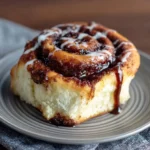
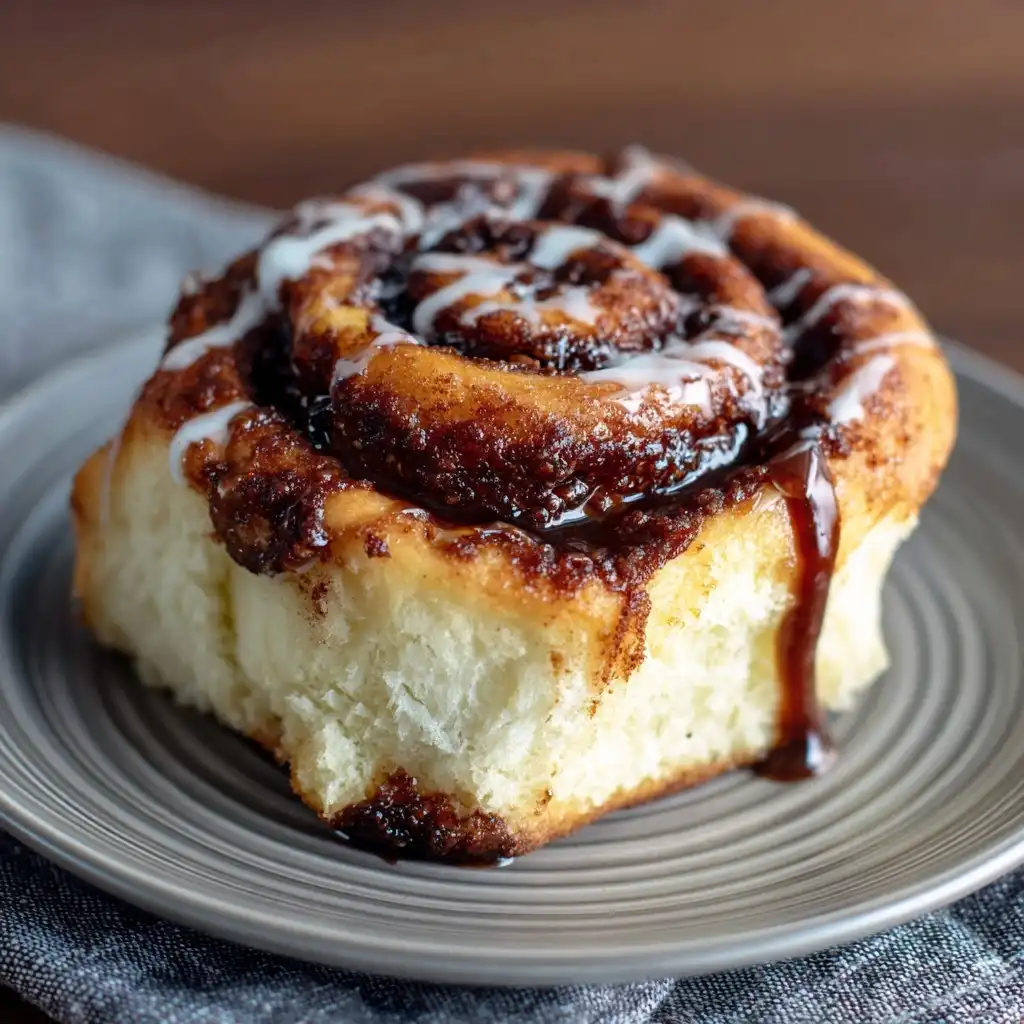
Indulgent, aromatic, and irresistibly decadent—Nutella Stuffed Cinnamon Rolls are the ultimate fusion of classic American breakfast tradition and European chocolate-hazelnut luxury. These aren’t just cinnamon rolls with a swirl—they’re generously filled with creamy, velvety Nutella, crowned with a glossy glaze or rich cream cheese frosting, and baked until golden-brown with tender, pull-apart layers that ooze warmth and comfort in every bite. Whether served fresh from the oven on a lazy Sunday morning, gifted as a heartfelt homemade treat, or featured at brunch gatherings and holiday tables, Nutella Stuffed Cinnamon Rolls elevate the humble cinnamon roll into an unforgettable sensory experience—balancing sweet, nutty, spiced, and buttery notes with remarkable harmony.
The History
The evolution of the Nutella Stuffed Cinnamon Roll is a delicious case study in culinary globalization and home-baker innovation. While traditional cinnamon rolls trace their roots to Scandinavian kardemummabullar (cardamom buns) and German Zimtschnecken, popularized in North America through early 20th-century immigrant bakeries and post-war convenience food trends, the Nutella variation didn’t emerge until decades later—following the global rise of Ferrero’s iconic hazelnut spread. Introduced in Italy in 1964 as a cost-effective cocoa substitute during wartime cocoa shortages, Nutella gained cult status across Europe by the 1970s and exploded in U.S. popularity after its 1983 importation. Home cooks and food bloggers began experimenting with Nutella in the early 2000s—swirling it into pancakes, folding it into cookies, and, most notably, layering it beneath cinnamon-sugar fillings in yeasted dough. By the mid-2010s, #NutellaCinnamonRolls became a viral sensation on Pinterest and Instagram, inspiring countless adaptations—from overnight refrigerator versions to vegan and gluten-free renditions. Today, this hybrid treat stands as a beloved symbol of modern comfort baking: honoring time-honored techniques while embracing globally cherished ingredients with joyful, unapologetic indulgence.
Ingredients Breakdown
Understanding each component deepens both technique and flavor—here’s a meticulous, chef-level breakdown of why each ingredient matters:
- Whole Milk (warm, ~105–110°F): Not merely liquid—it’s the hydration engine and flavor foundation. Whole milk contributes lactose for gentle caramelization, fat for tenderness, and proteins for optimal gluten development. Temperature is critical: too hot kills yeast; too cold delays fermentation. A digital thermometer is highly recommended.
- Active Dry Yeast or Instant Yeast: Active dry requires proofing (dissolving in warm milk + sugar for 5–10 minutes until foamy); instant yeast can be mixed directly into flour. Both yield excellent results, but instant offers marginally faster rise times and greater temperature tolerance. Always check expiration dates—old yeast is the #1 cause of failed rises.
- Granulated Sugar: Feeds the yeast during fermentation and contributes to crust browning via Maillard reaction. Also balances acidity and enhances dough elasticity.
- Unsalted Butter (softened & cold): Dual-purpose! Softened butter (¼ cup) enriches the dough—adding moisture, flakiness, and luxurious mouthfeel. Cold butter (¼ cup, cubed) is sometimes incorporated *after* initial mixing (in enriched dough methods) to create subtle laminated layers—though not as pronounced as croissants, it adds textural nuance.
- Large Egg (room temperature): Adds structure, richness, color, and emulsification. Room temperature ensures even incorporation and prevents shocking the yeast or causing butter to seize.
- All-Purpose Flour (unbleached preferred): Provides gluten-forming proteins essential for lift and chew. Unbleached flour retains more nutrients and enzymatic activity, supporting better fermentation. For ultra-soft rolls, many bakers blend in 10–20% bread flour (higher protein) or add 1–2 tbsp vital wheat gluten.
- Ground Cinnamon (Ceylon or Saigon): Ceylon (“true cinnamon”) offers delicate, citrusy warmth; Saigon is bolder, spicier, and sweeter—ideal for assertive flavor. Freshly ground from quills delivers exponentially more aroma and potency than pre-ground supermarket varieties.
- Brown Sugar (light or dark, packed): Adds molasses depth, moisture retention, and caramel notes. Dark brown sugar intensifies richness; light yields a cleaner cinnamon-forward profile. Packed measure ensures consistency.
- Nutella (original, not “spreadable” or reduced-sugar variants): Authentic Nutella contains roasted hazelnuts, skim milk, cocoa, and minimal added oils—giving it ideal viscosity for swirling without bleeding or separating during baking. Imitation spreads often contain palm oil that hardens when chilled or separates when heated, leading to greasy pools or grainy texture. Always use room-temperature Nutella—it should be spreadable but not runny.
- Salt (fine sea salt or kosher): The silent conductor—enhances all other flavors, controls yeast activity, and strengthens gluten network. Too little = bland; too much = inhibited rise and bitterness.
- Optional Enhancements: A pinch of freshly grated nutmeg or cardamom in the filling complements Nutella’s warmth; a tablespoon of honey or maple syrup in the dough boosts browning and shelf-life; a splash of vanilla extract (or paste) in the dough adds aromatic complexity.
Step-by-Step Recipe
- Activate the Yeast (if using active dry): In a small bowl, combine warm whole milk (105–110°F), 1 tbsp granulated sugar, and yeast. Stir gently and let sit 5–10 minutes until thick, foamy, and fragrant—like warm brioche batter. If no foam forms, discard and start over with fresh yeast.
- Mix the Dough: In the bowl of a stand mixer fitted with a dough hook, whisk together 3½ cups all-purpose flour, remaining granulated sugar (⅓ cup), and salt. Make a well in center. Pour in yeast mixture, softened butter, and egg. Mix on low speed 2–3 minutes until shaggy dough forms. Increase to medium-low and knead 6–8 minutes until smooth, elastic, and slightly tacky—but not sticky. (By hand: stir with wooden spoon until combined, then turn onto lightly floured surface and knead 10–12 minutes.)
- First Rise (Bulk Fermentation): Transfer dough to a large, lightly buttered bowl. Cover tightly with plastic wrap or damp kitchen towel. Let rise in a warm, draft-free spot (ideally 75–80°F) for 1½–2 hours—or until doubled in volume. Gently press two fingers into dough; if indentations hold slowly, it’s ready. For deeper flavor, refrigerate overnight (8–12 hours) after first rise—this slow cold fermentation develops nuanced sweetness and improves texture.
- Prepare Filling: In a small bowl, combine brown sugar, cinnamon, and optional spices. Set aside. Spoon Nutella into a separate bowl; let sit at room temperature while dough rises to ensure easy spreading.
- Shape the Rolls: Punch down risen dough gently to release air. Turn onto a lightly floured surface. Roll into a 16×12-inch rectangle (approx. ¼-inch thick), with long side facing you. Evenly spread Nutella over entire surface, leaving ½-inch border along far edge. Sprinkle cinnamon-sugar mixture evenly over Nutella. Starting from bottom edge, tightly roll dough into a log, pinching seam to seal. Use a sharp, serrated knife or unflavored dental floss to cut into 12 equal slices (each ~1½ inches wide). For clean cuts: chill rolled log 15–20 minutes first.
- Second Rise (Proofing): Place rolls cut-side up in a buttered 9×13-inch baking dish (or two 8-inch round pans), spaced evenly. Cover loosely with oiled plastic wrap or damp towel. Let rise 45–60 minutes at room temperature—or 2–3 hours in fridge for overnight proofing—until puffy and nearly doubled. Rolls should jiggle slightly when pan is gently shaken.
- Bake: Preheat oven to 350°F (convection off). Bake uncovered 22–28 minutes—rotating pan halfway—until tops are deep golden brown, edges are bubbling, and internal temperature reaches 190–195°F (use instant-read thermometer inserted into center roll). Avoid overbaking—dry rolls cannot be rescued!
- Cool & Glaze: Let rolls cool in pan 10 minutes. Meanwhile, prepare glaze: whisk 1 cup powdered sugar, 2–3 tbsp milk or cream, ½ tsp vanilla, and pinch of salt until smooth. Adjust thickness with more milk (thinner) or sugar (thicker). Drizzle generously over warm rolls. Optional: top with flaky sea salt, chopped toasted hazelnuts, or edible gold dust.
Tips
- Yeast Confidence: When in doubt, test yeast before mixing: if it doesn’t foam robustly in warm milk + sugar within 10 minutes, it’s inactive—don’t waste ingredients.
- Dough Temperature Matters: Ideal dough temp after mixing: 77–80°F. Too cold → sluggish rise; too warm → weak gluten and off-flavors. Use cold milk in summer; warm milk in winter.
- Rolling Precision: Roll dough evenly—thick spots won’t bake through; thin spots tear and leak Nutella. Keep surface lightly floured, but avoid excess flour which dries dough.
- Nutella Application: Spread with offset spatula—not knife—to avoid dragging and tearing dough. Leave that ½-inch border—critical for sealing the log securely.
- Cutting Hack: Dental floss works better than knives: slide under log, cross ends above, and pull sharply upward—clean cut, zero squish, perfect layers.
- Overnight Magic: For stress-free mornings: shape rolls, place in pan, cover, refrigerate 8–16 hours. Next morning, let sit at room temp 30–45 minutes while oven preheats—then bake as directed.
- Don’t Rush Cooling: Letting rolls rest 10 minutes allows steam to redistribute, preventing soggy bottoms and making glazing neater.
- Glaze Timing: Apply glaze only when rolls are warm—not hot (glaze melts off) and not cold (won’t adhere). Warm = ideal tackiness.
- Storage Wisdom: Store unfrosted rolls covered at room temp up to 2 days; refrigerate up to 5 days; freeze unbaked or baked (unfrosted) up to 3 months. Reheat frozen baked rolls at 325°F for 12–15 minutes; thaw unbaked rolls overnight, then proof 45 min before baking.
- Baking Pan Choice: Light-colored metal pans yield even browning. Dark nonstick pans may over-brown bottoms—reduce oven temp by 25°F if using.
Variations and Customizations
These rolls are a canvas—here’s how to reimagine them endlessly:
- Stuffed Surprise Rolls: Add a teaspoon of chopped toasted hazelnuts, a dot of raspberry jam, or a sliver of dark chocolate (70% cacao) into the center of each roll before cutting—creates delightful bursts of texture and contrast.
- Overnight Espresso Swirl: Dissolve 1 tsp instant espresso powder in 1 tsp warm water; mix into Nutella before spreading. Complements chocolate notes and adds sophisticated bitterness.
- Orange-Cardamom Elegance: Add 1 tbsp finely grated orange zest + ½ tsp freshly ground cardamom to cinnamon-sugar filling. Pair with orange-infused glaze (add 1 tsp zest + 1 tsp juice to glaze).
- Maple-Bacon Crunch: Top baked, glazed rolls with crumbled crispy maple-glazed bacon and a drizzle of warm maple syrup.
- Vegan Version: Substitute dairy-free milk (oat or soy), flax egg (1 tbsp ground flax + 3 tbsp water), vegan butter (Miyoko’s or Earth Balance), and certified vegan Nutella alternative (e.g., Justin’s Chocolate Hazelnut Butter). Proof longer—vegan doughs rise slower.
- Gluten-Free Adaptation: Use high-quality GF all-purpose blend with xanthan gum (e.g., King Arthur Measure for Measure or Bob’s Red Mill 1-to-1). Add 1 extra tbsp psyllium husk powder for elasticity. Expect denser, moister texture—bake 2–3 minutes longer.
- Mini Rolls: Divide dough into 24 smaller portions—bake in muffin tin for individual servings. Reduce bake time to 15–18 minutes.
- Savory-Sweet Twist: Sprinkle filling with flaky Maldon salt and black pepper before rolling—elevates Nutella’s richness with bright, mineral notes.
- Boozy Infusion: Add 1 tbsp bourbon or Frangelico to dough during mixing—or brush warm rolls with reduction of ¼ cup Nutella + 1 tbsp liqueur before glazing.
- Kid-Friendly Fun: Press rainbow sprinkles into glaze, or pipe mini marshmallow “clouds” and drizzle with melted white chocolate.
Health Considerations and Nutritional Value
While Nutella Stuffed Cinnamon Rolls are unequivocally a treat—not a health food—understanding their composition empowers mindful enjoyment:
- Caloric Profile (per standard roll, approx. 1/12 of recipe): ~380–450 kcal—primarily from complex carbs (flour), simple sugars (brown & granulated sugar, Nutella), and fats (butter, Nutella’s hazelnut oil). Protein content is modest (~5–6g) from milk, egg, and hazelnuts.
- Nutella Realities: Two tablespoons contain ~200 kcal, 11g fat (mainly monounsaturated oleic acid from hazelnuts), 21g sugar, and 2g protein. It provides vitamin E, magnesium, and antioxidants—but portion control is key. “Reduced sugar” Nutella alternatives often replace sugar with maltitol, which can cause digestive upset in sensitive individuals.
- Flour Choices: All-purpose flour is refined, low in fiber. Substituting up to 30% whole wheat pastry flour adds B vitamins, fiber, and subtle nuttiness without compromising tenderness. Avoid 100% whole wheat for traditional texture—it yields dense, heavy rolls.
- Sugar Alternatives: Coconut sugar or date paste can replace brown sugar in filling—but expect darker color, stronger molasses flavor, and potentially stickier texture. Erythritol or monk fruit blends work in glaze but lack caramelizing properties.
- Butter vs. Oil: Butter contributes superior flavor and flakiness. Neutral oils (avocado, grapeseed) yield softer, more cake-like rolls—suitable for dairy-free but less traditional.
- Portion Awareness: Savor one roll mindfully with a protein-rich side (Greek yogurt, scrambled eggs) to balance blood sugar response and increase satiety.
- Allergen Notes: Contains dairy, eggs, wheat, and tree nuts (hazelnuts). Nutella is produced in facilities handling peanuts—check labels if severe allergy exists. Gluten-free and vegan versions address dietary restrictions but require careful label reading due to cross-contamination risks.
- Occasional Indulgence Framework: Registered dietitians affirm that including beloved foods like these—without guilt, in balanced patterns—supports long-term healthy relationships with food and sustainable habits.
Ingredients
- 1 cup whole milk, warmed to 105–110°F (240ml)
- 2¼ tsp (1 packet) active dry yeast OR 2 tsp instant yeast
- ⅓ cup granulated sugar, divided (plus 1 tbsp for yeast proofing if using active dry)
- ¼ cup unsalted butter, softened (½ stick / 57g)
- 1 large egg, room temperature
- 4 cups all-purpose unbleached flour, plus more for dusting (480g)
- 1½ tsp fine sea salt
- ⅔ cup packed light or dark brown sugar (135g)
- 2½ tbsp ground cinnamon (preferably Saigon or Ceylon)
- 1¼ cups authentic Nutella, room temperature (360g)
- For Glaze: 1 cup powdered sugar (120g), 2–3 tbsp whole milk or heavy cream, ½ tsp pure vanilla extract, pinch of salt
- Optional Garnishes: Flaky sea salt, chopped toasted hazelnuts, edible gold flakes
Directions
- In a small bowl, combine warm milk, 1 tbsp granulated sugar, and yeast. Stir and let sit 5–10 minutes until frothy and doubled in volume. (Skip if using instant yeast—add directly to dry ingredients.)
- In the bowl of a stand mixer fitted with dough hook, whisk together flour, remaining ⅓ cup granulated sugar, and salt. Make a well in center. Pour in yeast mixture (or instant yeast), softened butter, and egg.
- Mix on low speed 2–3 minutes until combined. Increase to medium-low and knead 6–8 minutes until dough is smooth, supple, and pulls away from sides—slightly tacky but not sticky. (By hand: stir with spoon, then knead 10–12 minutes on floured surface.)
- Transfer dough to lightly buttered bowl. Cover tightly with plastic wrap. Let rise in warm spot 1½–2 hours until doubled. Or refrigerate overnight (8–12 hrs).
- Line a 9×13-inch baking dish with parchment or grease generously. In small bowl, mix brown sugar and cinnamon. Set aside. Let Nutella sit at room temp.
- Punch down dough. Turn onto floured surface. Roll into 16×12-inch rectangle (¼-inch thick). Spread Nutella evenly, leaving ½-inch border on far edge. Sprinkle cinnamon-sugar over Nutella.
- Starting from bottom edge, roll dough tightly into log. Pinch seam to seal. Chill 15–20 minutes. Using serrated knife or dental floss, cut into 12 equal pieces.
- Arrange rolls cut-side up in prepared pan, spaced evenly. Cover loosely. Let rise 45–60 minutes at room temp until puffy and nearly doubled.
- Preheat oven to 350°F. Bake 22–28 minutes, rotating pan halfway, until deep golden brown and internal temp reads 190–195°F.
- Cool in pan 10 minutes. Whisk glaze ingredients until smooth. Drizzle generously over warm rolls. Garnish as desired. Serve immediately.
FAQ
- Can I make these ahead?
- Absolutely! Shape rolls, place in pan, cover, and refrigerate up to 16 hours. Next morning, let rest at room temp 30–45 minutes while oven preheats—then bake as directed. You can also fully bake, cool, freeze unfrosted rolls for up to 3 months—reheat at 325°F for 15 minutes, then glaze.
- Why did my Nutella leak out during baking?
- Most commonly: dough was too thin when rolled (tearing), Nutella was too warm/runny (causing separation), or the seam wasn’t sealed tightly. Chill dough before cutting, use room-temp (not melted) Nutella, and pinch seam firmly. A ½-inch border is non-negotiable.
- Can I use a different chocolate-hazelnut spread?
- Yes—but proceed with caution. Many store brands contain palm oil that hardens when cold and separates when hot, causing greasy puddles or grainy texture. Stick with authentic Nutella or high-quality artisanal versions (e.g., Nocciolata) for reliable performance.
- My rolls didn’t rise—what went wrong?
- Top culprits: expired/inactive yeast, milk too hot (killed yeast) or too cold (slowed fermentation), cold kitchen environment, or excessive salt inhibiting yeast. Always proof yeast first—and use a thermometer for milk.
- Can I make these dairy-free?
- Yes! Use unsweetened oat or soy milk, flax egg (1 tbsp ground flax + 3 tbsp water), vegan butter, and dairy-free Nutella alternative. Expect slightly longer rise times and a softer crumb.
- How do I prevent dry or tough rolls?
- Avoid over-flouring during rolling, over-kneading (dough should be soft, not tight), and overbaking. Use an instant-read thermometer—195°F max. Underbaked is preferable to overbaked.
- Can I freeze the unbaked rolls?
- Yes! After shaping and placing in pan, cover tightly and freeze solid (2–3 hours), then wrap pan in double-layer plastic + foil. Freeze up to 3 months. Bake from frozen: add 5–8 minutes to bake time, covering loosely with foil first 15 minutes to prevent over-browning.
- What’s the best way to reheat leftovers?
- Individual rolls: microwave 15–20 seconds. For multiple rolls: 325°F oven for 10–12 minutes, tented with foil. Never reheat glaze—apply fresh glaze after reheating.
- Can I make these with a bread machine?
- You can use the dough cycle for mixing and first rise—then shape, proof, and bake manually. Bread machines don’t handle high-fat, high-sugar doughs consistently for full baking.
- Why do some recipes use tangzhong or yudane?
- These cooked flour-water pastes (tangzhong: 1:5 ratio; yudane: 1:1) gelatinize starch, locking in moisture and yielding extraordinarily soft, fluffy, shelf-stable rolls—even days later. Add 60g tangzhong (made from 10g flour + 50g milk) to dough ingredients for next-level texture.
Summary
Nutella Stuffed Cinnamon Rolls marry centuries-old yeast-raised tradition with modern, globally adored flavor—offering pillowy, spiced dough enveloping ribbons of rich, nutty chocolate-hazelnut bliss, finished with silky glaze and thoughtful garnishes. With flexible timelines (same-day or overnight), endless customizations, and forgiving techniques, they’re as rewarding to bake as they are unforgettable to eat—proving that the most cherished treats honor both heritage and heart.